By now, it’s a bizarre tradition of the West
Why do 80,000 people gather in a place that’s hot, dusty, and increasingly rainy— not to mention expensive? It’s something like a ritual, homecoming, or maybe even shared misery.
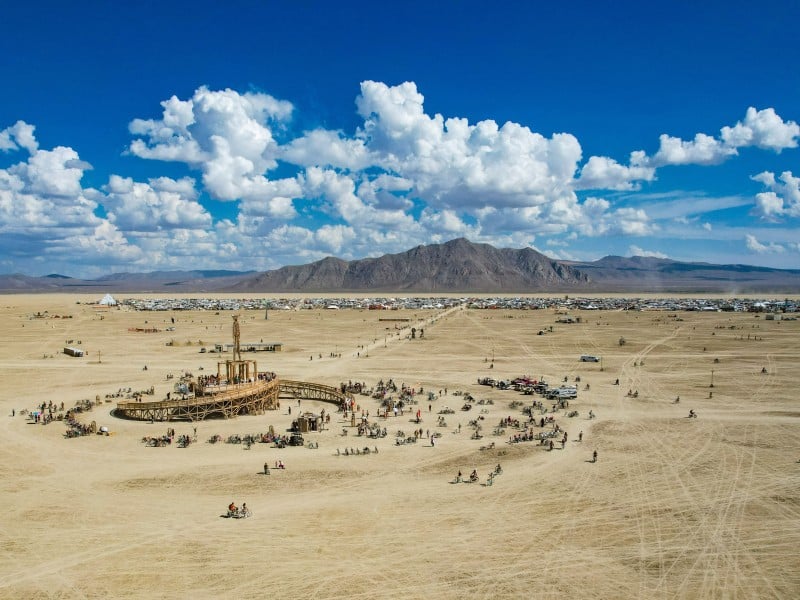
Why do 80,000 people gather in a place that’s hot, dusty, and increasingly rainy— not to mention expensive? It’s something like a ritual, homecoming, or maybe even shared misery.
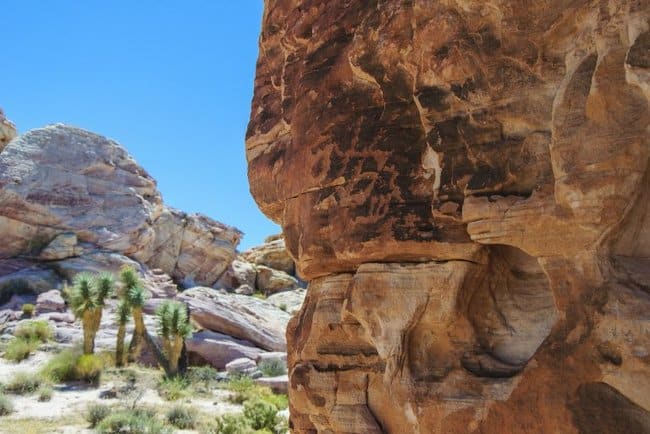
People who cherish public lands need to fight the destructive policies promised by president-elect Donald Trump, by leaning into the grassroots efforts of Tribes, local community leaders and conservation organizations.

Do voters understand what Trump’s sweep means for the price of eggs, housing and cars?

Since 2020, more than 100 bookstores opened in 14 western states, and surprisingly, they thrived during the COVID epidemic.

Utah’s Bears Ears National Monument rarely leaves the news. The political tussle over this stunning expanse of red rock canyons exemplifies all the cultural dissonance in the rural West.

An energy gap might appear imminent, but this week Dave Marston challenges that perspective in conversation with Amory Lovins, the 76-year-old co-founder of RMI. Renowned for his work on energy efficiency since the 1970s, Lovins emphasizes that improving efficiency can cut energy use by 50% to 80%. Changes in building structures, demand-response strategies, and more effective use of renewables, Lovins argues, could help close the gap.
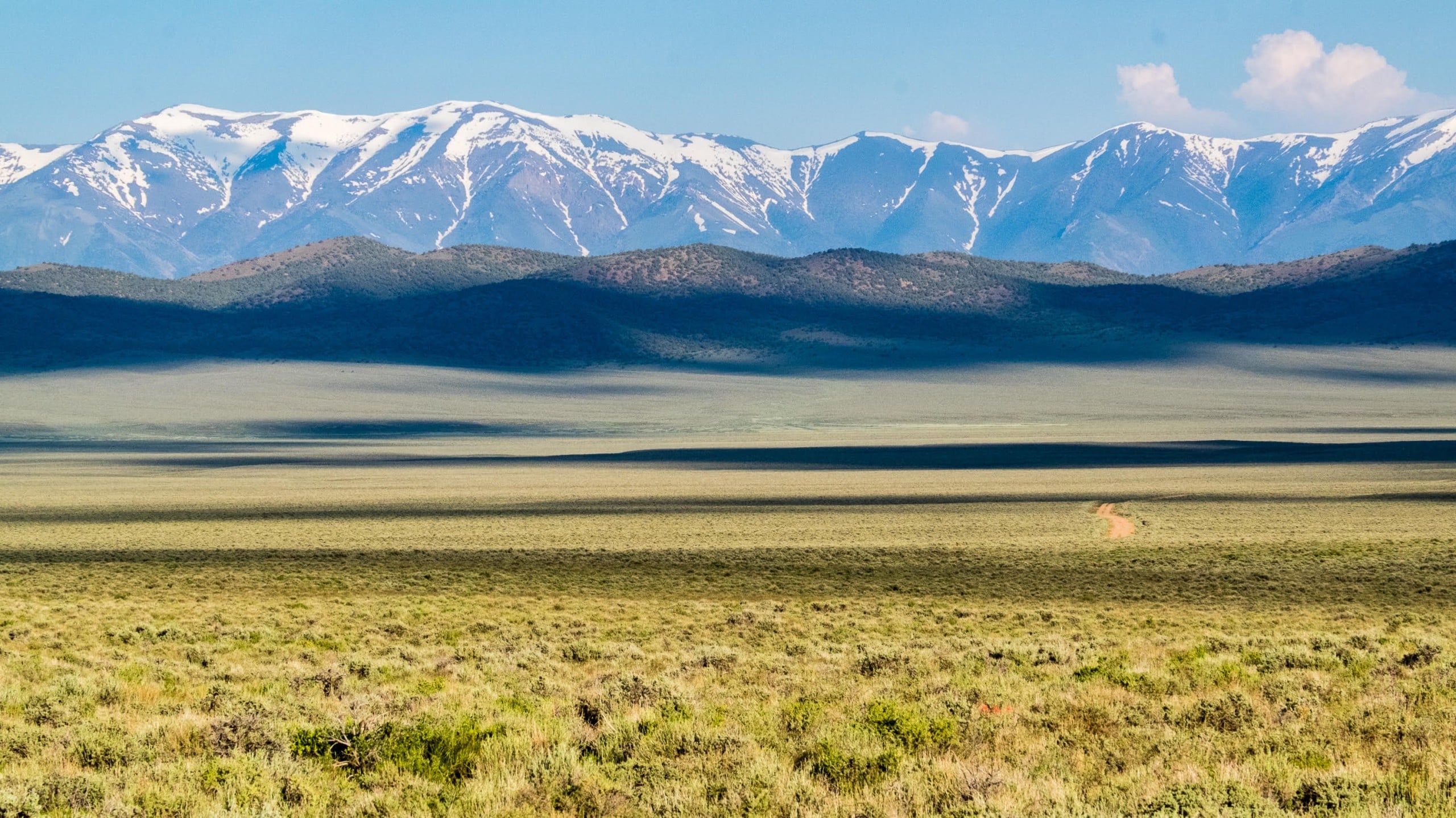
As highly flammable cheatgrass expands across the deserts of Nevada and Utah, the sagebrush is in danger of disappearing. The dilemma is how to hold onto and add to what's left.