
Writing a guidebook pays off, really
The money isn’t much, but the experiences are rich
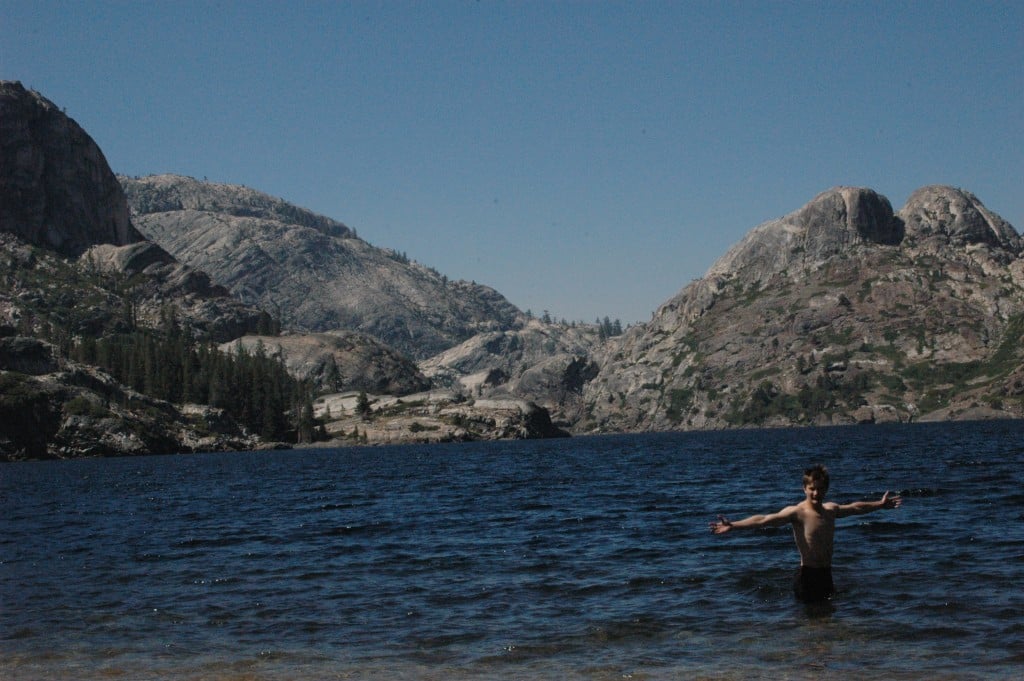
A royalty statement that arrives in my mailbox twice a year always makes me smile, but not for the reasons others might expect. Every six months, the mail takes me back ten years to my experience writing a guidebook to a place I dearly love.
Long before that, I landed a job near Yosemite after finishing college, and luckily discovered climbing, backpacking, skiing and more in the national park. So after I got my foot in the publishing door by writing two books about baseball, I pitched my Yosemite guidebook idea.
Plenty of other guidebooks cover Yosemite, of course, which might prevent a publisher from taking a chance on mine. So I portrayed this competition as a selling point: look how many Yosemite books are selling! Besides, I explained, mine would be different, with multiple activities throughout the park for year-round fun.
A company bought it and offered me a modest contract to produce “Yosemite Adventures: 50 Spectacular Hikes, Climbs, and Winter Treks.”
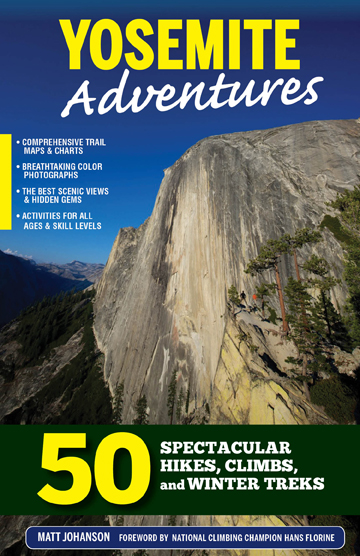
Over the next year, I spent most of my weekends and free time running around the park in support of the book. I discovered new points of interest like Chilnualna Falls and Amelia Earhart Peak. Familiar places like Cathedral Peak and Half Dome got return visits to refresh my memory and obtain new images. I made sure to include crowd-pleasing favorites like Yosemite Falls and the Mist Trail. I couldn’t stop myself from including some ambitious trips that only a hardy few will ever attempt (trans-Sierra ski trek, Mount Lyell).
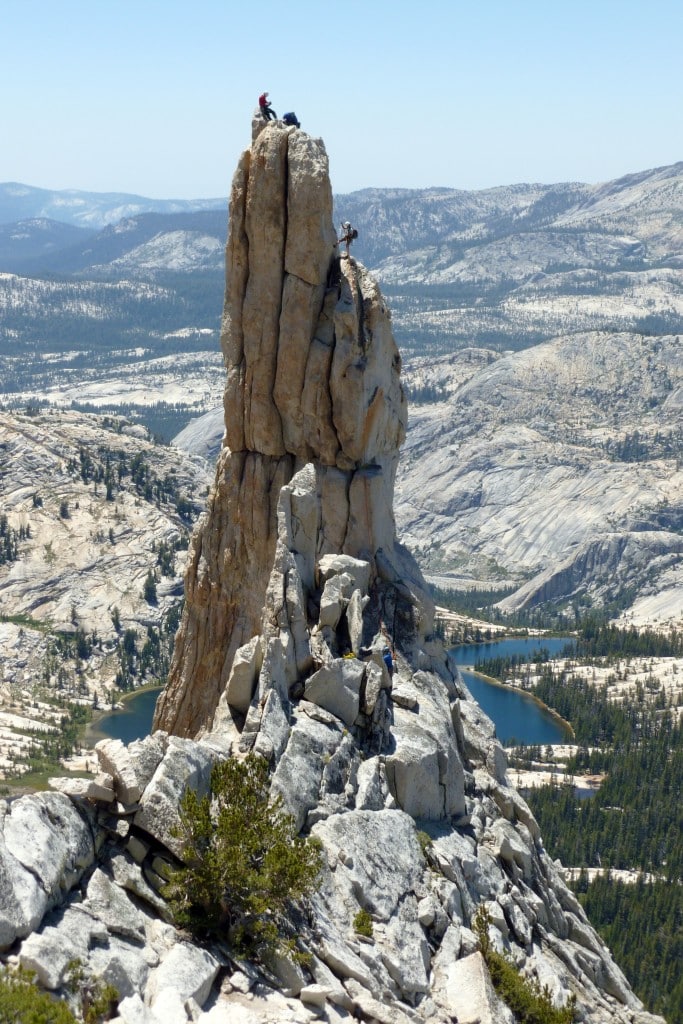
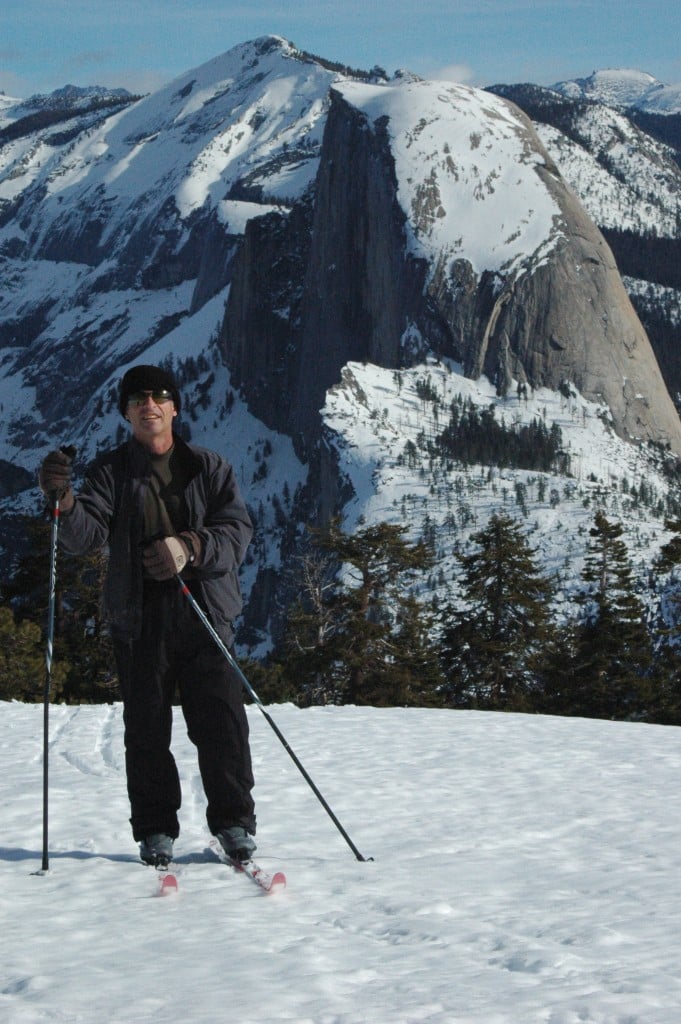
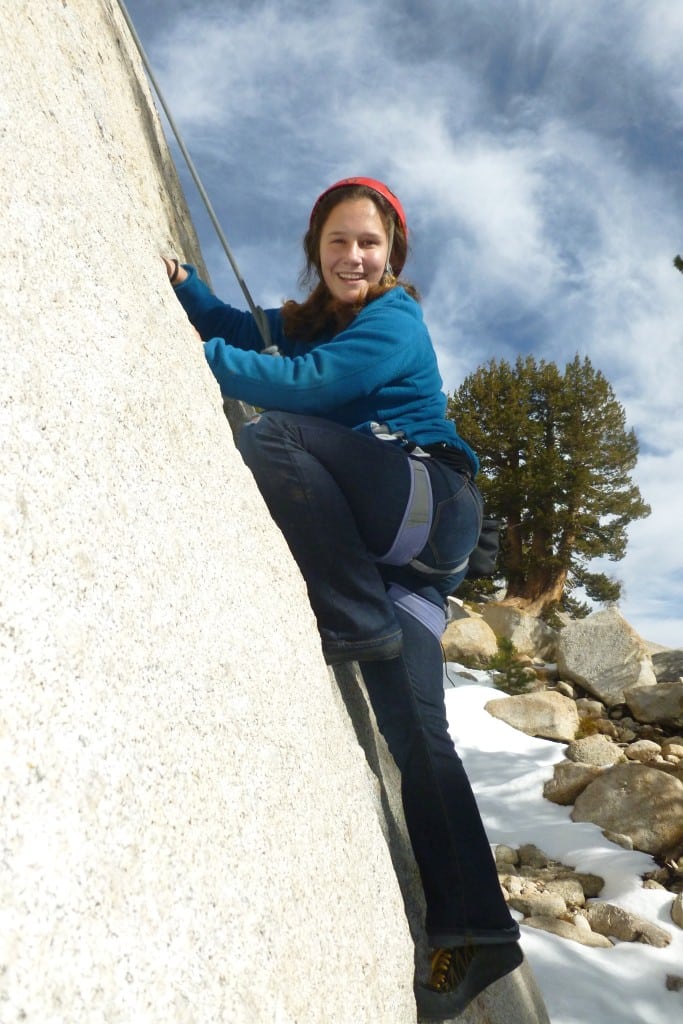
Determined to make the best book possible, I drove myself a little crazy. On more than one occasion, I spent a full day or weekend trying to improve a single photograph. Every image had to have blue sky, for instance, and the sun in the right position.
The final draft included 224 pages with hundreds of photos, maps and graphics, suggesting trips which had never appeared in any guidebook before. The editors were thrilled, and so was I.
Publishing experts will tell you that the real work begins after a title comes out. Books don’t sell themselves, and authors must make the rounds to coax readers to pick them up. So I made a PowerPoint and spoke at bookstores and libraries. Some of these events attracted around 50 people. Most drew less than that, and one bookstore visit produced no one at all.
The life of a small-time author, I learned, includes healthy portions of humble pie.
The National Park Service gave me another taste of that when it refused to allow the book’s sale at Yosemite retail locations. Management didn’t like me revealing little-known gems such as a backcountry ski cabin. The fact that I had submitted the manuscript to the park before printing for just such feedback (and received none) made no difference. Yosemite banned my book about Yosemite.
Perhaps that’s one reason why sales disappointed the publisher, as the company informed me. A decade after its release, “Yosemite Adventures” has sold 3,505 paperback copies. That’s more than lots of other books sell but not enough to earn me any payment beyond my small initial advance.
While any author would welcome more sales, I never regretted my considerable effort on the book. The project pushed me to explore the park more fully. I got to share what I learned with thousands of others. Some of these readers even wrote me back with appreciation for their new discoveries. That’s tremendously satisfying.
“Writing outdoor guides is a labor of love,” agreed Barry Parr, author of “Hiking the Sierra Nevada,” a Falcon guidebook. “You will never earn back the money you spend in gathering the information… I drew upon a long lifetime of camping and hiking in the mountains, and I considered this ‘investment’ as ‘growing up,’ or ‘fun,’ not as an income generating venture.
“I can’t speak for other outdoor writers, of course,” he continued, “but to me the book is an homage to my parents and older brother, who took me so many places, to my own kids, for following me, and to the great journal writers of the past, like John Muir, who described the range so beautifully that it’s a pleasure to walk their company for a while.”
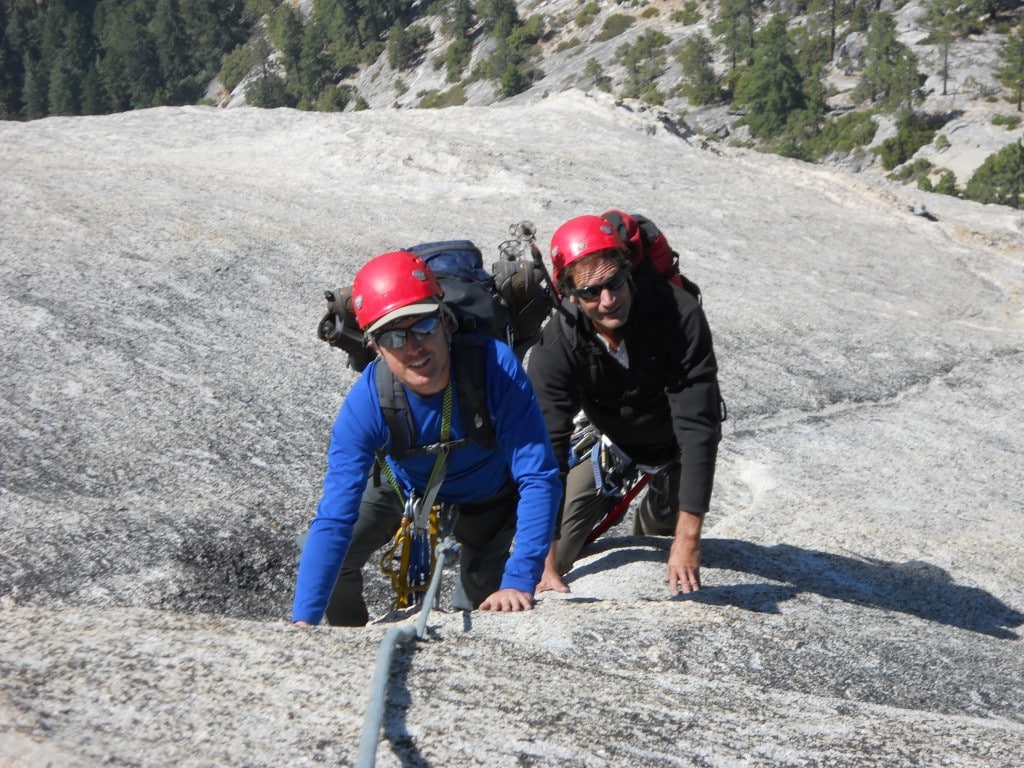
My latest statement reports $4.90 in royalties in the last six months. But until sales catch up with my advance, the publisher owes me nothing more. If my book keeps selling at the current rate of 14 copies per year, I might see a check for five bucks in 128 years. That’s not a misprint.
Yet even now, I get to see the title in bookstores and libraries right beside highly-esteemed works of outdoor literature. The book is helping a small number of people have new and better Yosemite experiences. Authoring the guidebook made me develop as a writer, which helped me to produce better books in the future.
Good thing I kept my day job, but my work on “Yosemite Adventures” has paid me plenty.
Republish our stories for free, under a Creative Commons license.
Author
Related Articles

It Could’ve Been Me
The tragedy in the backcountry outside of Truckee is a reminder to not judge too quickly and reach out to those close to you
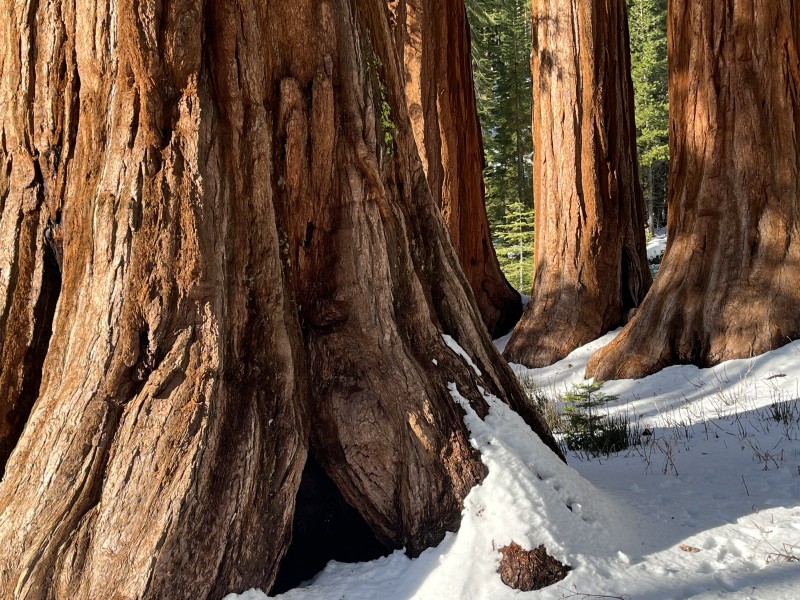
Winter Coat and Restoration Suit Yosemite’s Mariposa Grove
A major restoration has transformed the park’s famous grove back into a place of wonder.
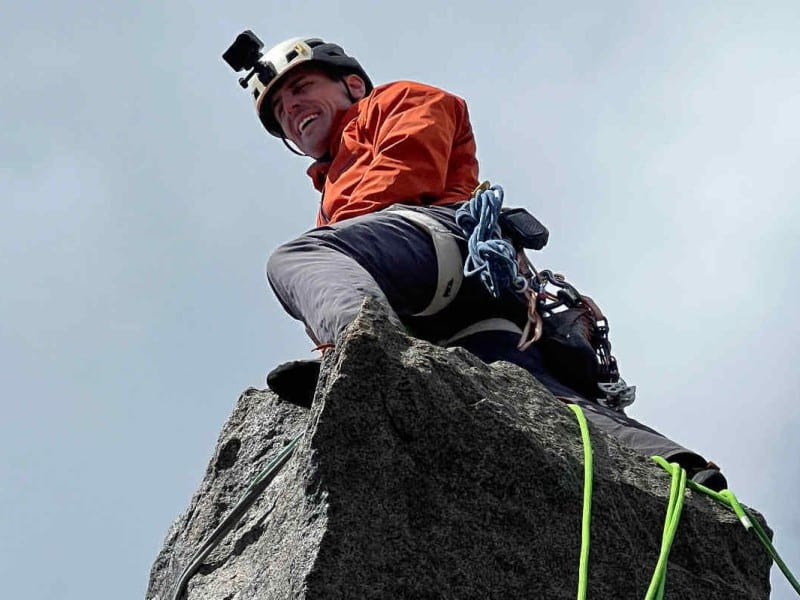
Inspiring California Climber Lived His Dream in 2025
And some of the other top outdoor news from the past year