
How does a special session in Nevada work?
The recent special session of the Nevada Legislature is behind us. How are they called?

Nevada’s governor has many duties, from overseeing the executive branch of the state government and preparing a state budget to commanding the Nevada National Guard.
As the current governor, Joe Lombardo also has the power to veto bills or sign them into law. In fact, he set the record for the most single vetoes in any legislative session, shooting down 87 bills in 2025 (and breaking his own record in the process).
One other power he has is the ability to call a special legislative session to consider measures he thinks are pertinent. To do so, he must publish a proclamation outlining the specific laws that can be discussed and the timeline the session will cover. The Legislature can also call a special session through a proclamation signed by two-thirds of members in each chamber. Up to this point, all 36 special sessions in Nevada history have been called by the Governor.
The first special session was called in 1867, with the most recent last month, when Lombardo released an official proclamation calling for a Special Session to begin on Nov. 13 at 10 a.m.
“Nevadans deserve action now – not years from now – on legislation that implements critical public safety measures, expands healthcare access, and supports good-paying jobs,” Lombardo said in his proclamation address. “By calling this special session, we are reaffirming our responsibility to act decisively and deliver meaningful results for the people of Nevada.”
The rules of the session are pretty straightforward. In Nevada, there is no limit on the number of special sessions that can be called, and each session can usually last no more than 20 days–unless the session is called to “consider impeachment or removal from office.”
More importantly, only the legislation and budgets outlined in the governor’s proclamation can be discussed during the Special session.

This year, Lombardo wanted to focus on seven bills, including film tax credits, a much-debated issue in Nevada in recent years, and his crime bill that failed during the regular session.
This year’s special session lasted seven days, during which the film tax credit was shot down again. Still, Lombardo’s crime bill passed with amendments that prevent schools from cooperating with immigration officials and require detention centers to provide a list of all detainees in Immigration and Customs Enforcement facilities.
Notably, in the final hours of the special session, lawmakers introduced a resolution that would protect voting by mail in Nevada. The resolution will need to be considered again during the 2027 session before Nevadans can vote on it.
While Lombardo has the power to call the special session, it is the legislature that must vote to adjourn, which lawmakers did on Friday, Nov. 19.
Republish our stories for free, under a Creative Commons license.
Author

Related Articles
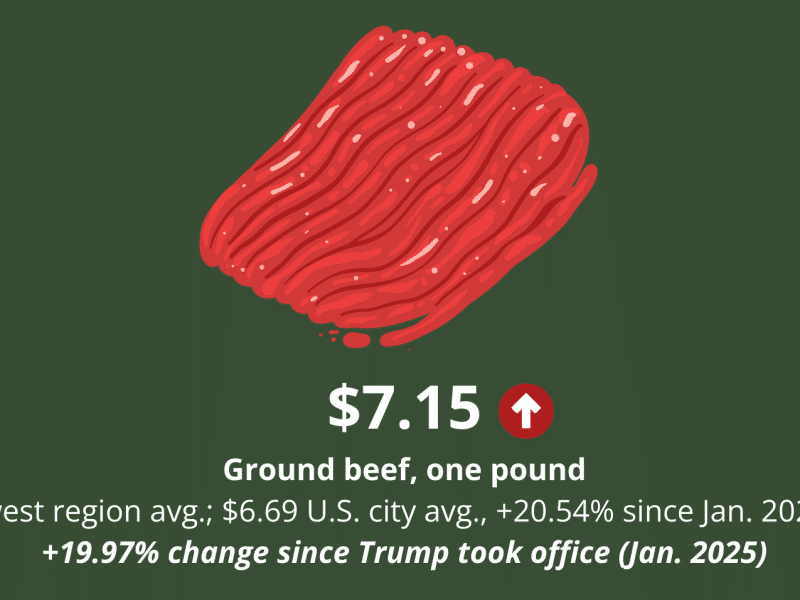
Tracking Food and Gas Prices in the Trump Era (Updated for December)
President Donald Trump campaigned on the promise of lowering grocery prices for everyday Americans. We’re tracking how that’s going.
The Realities of Our Rapidly Changing Immigration Landscape
While most immigrants come to the United States legally, one Reno-based immigration attorney says doing things “the right way,” is complicated, expensive and full of roadblocks.
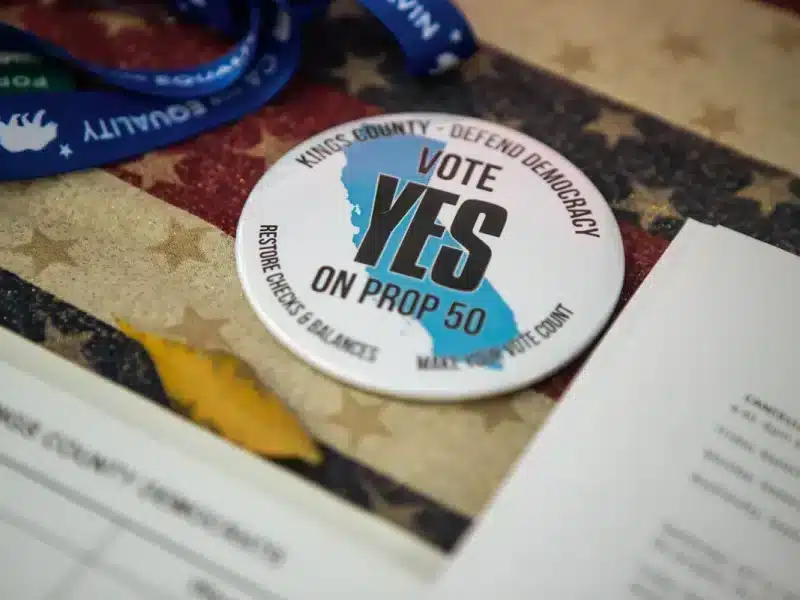
Voting in California? Here’s What Prop 50 Is All About
California voters will weigh Proposition 50 this fall. We’re sharing a voter guide from CalMatters to help you stay informed.