
From Zigong to Reno: Dragon Lights and the Art of Cultural Connection
For several weeks each year, Reno’s Rancho San Rafael Park glows with lanterns and light displays during the Dragon Lights Festival. We go behind the scenes to see how it all comes to life.
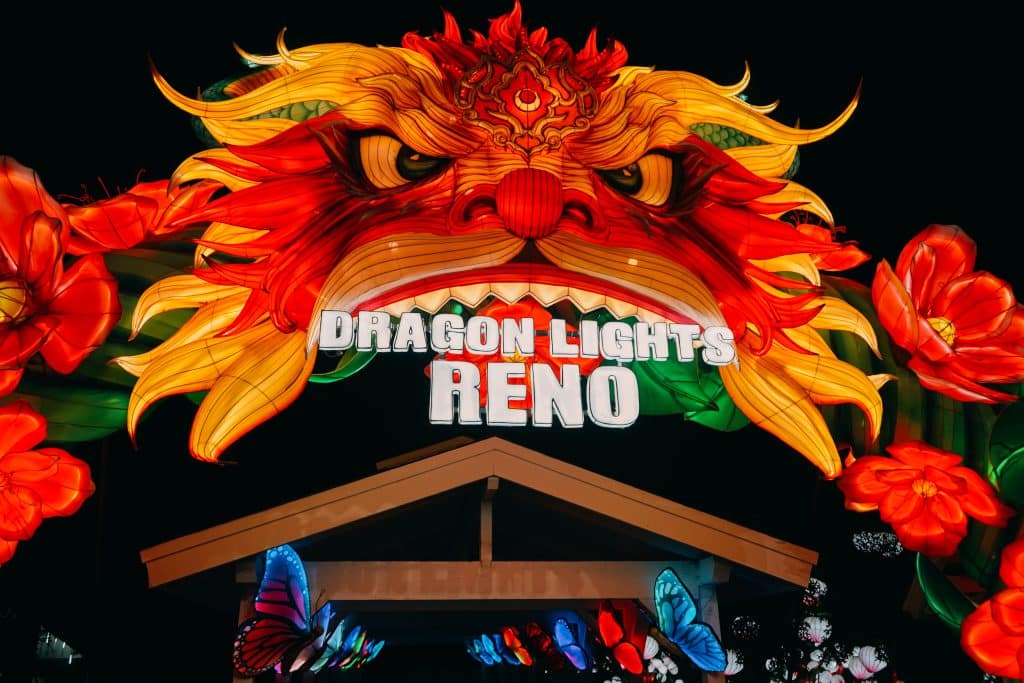
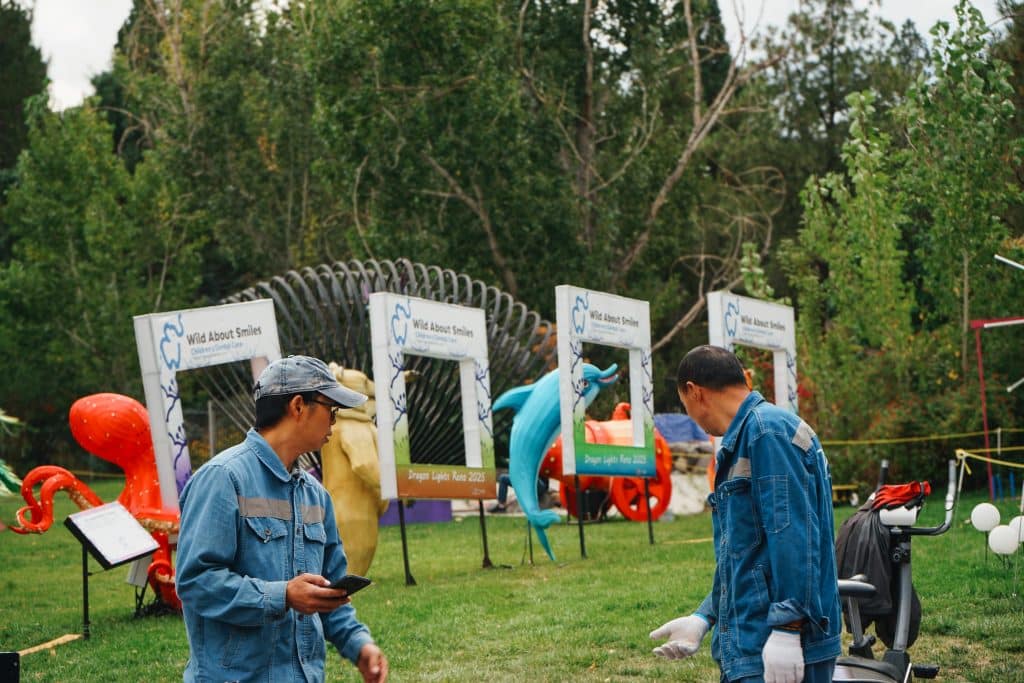
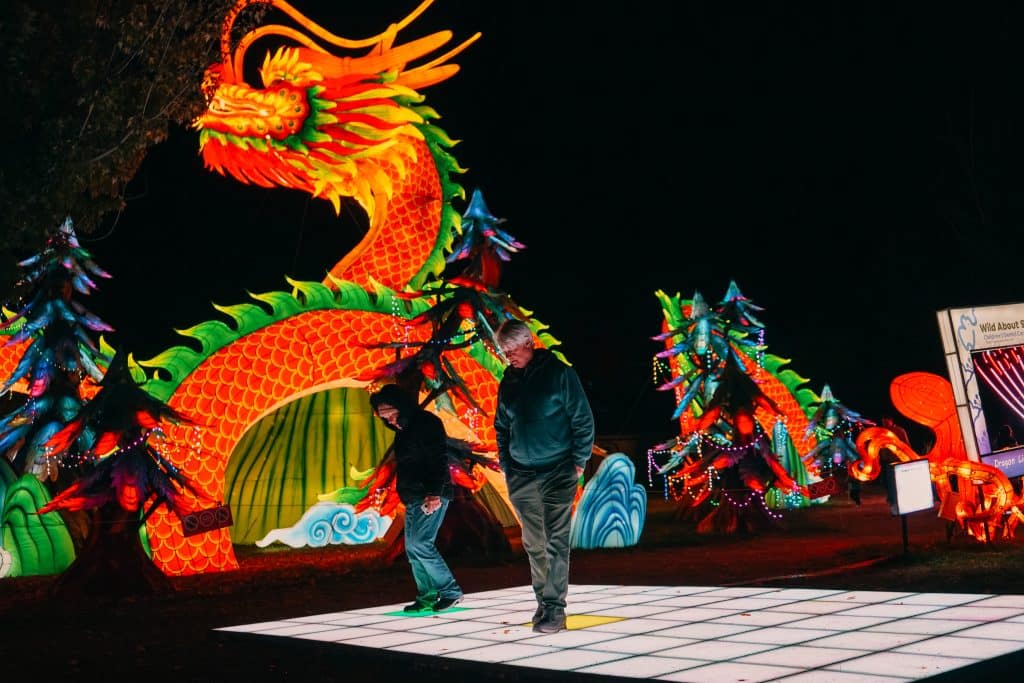
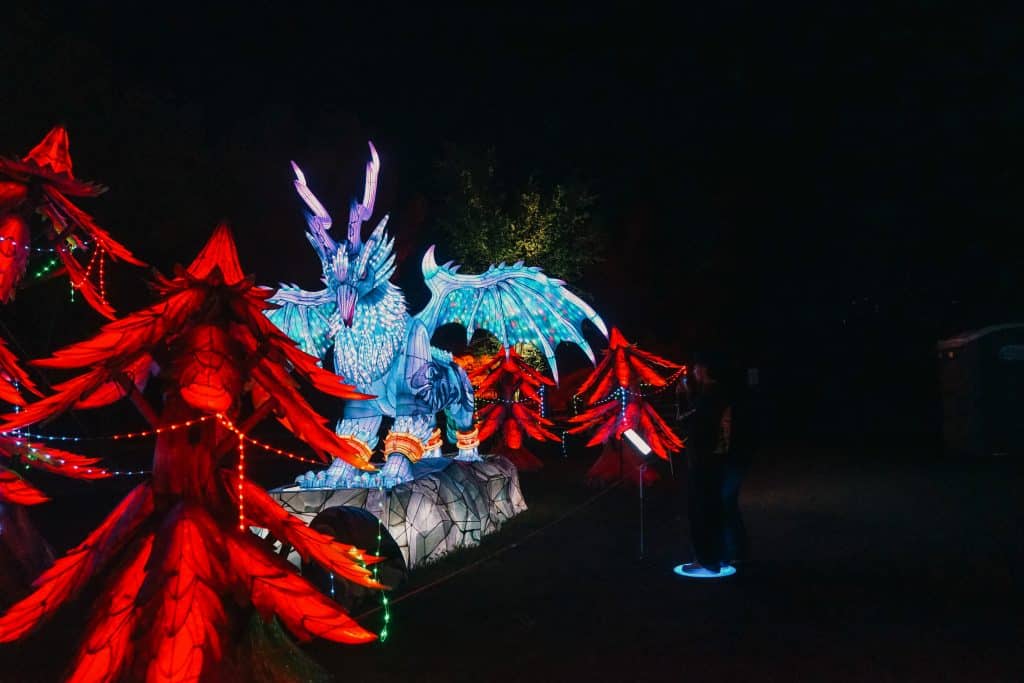
Since its first tour stop in Reno in 2018, the Dragon Lights Festival has become a seasonal tradition for many Northern Nevadans. Playing host to an array of art displays, a food court, and market place, Rancho San Rafael Park’s Arboretum and Botanical Gardens transforms into a luminous, interactive playground where residents can walk among thousands of Chinese lantern installations that animate, glow, and delight children and adults alike.
Through November 30, the touring festival returns to Reno with a new theme, Odyssey of Waves & Woods. This year’s installations also feature a lively food court, interactive games, and an on-site arcade, expanding the experience beyond the lantern displays and into a full evening of family fun.
Produced by Tianyu Arts & Culture Inc., Dragon Lights is more than a spectacle. It’s an exchange—a space where culture, art, and community converge. Now in its 11th year in the U.S. and 5th in Reno, the Dragon Lights Festival brings to life a centuries-old tradition of lantern artistry.
“It’s the same general theme every year–Asian culture–but each year has different displays, different representations,” said Huiyuan Liu, event manager at Tianyu Arts & Culture. Lui has been managing the festival since 2014, when the organization first began event operations in the United States.
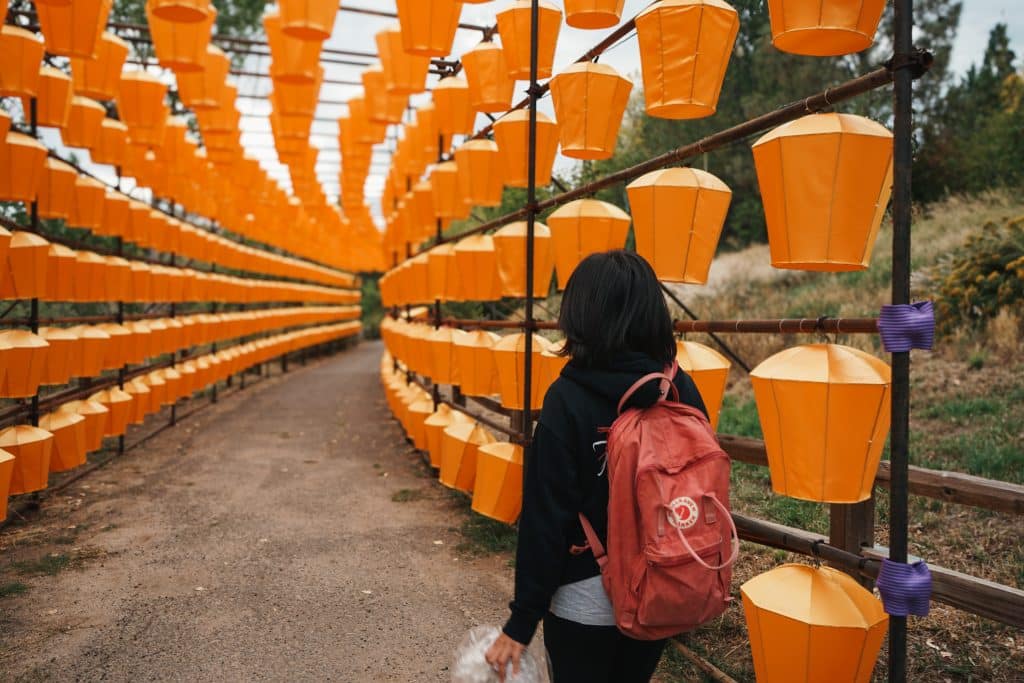
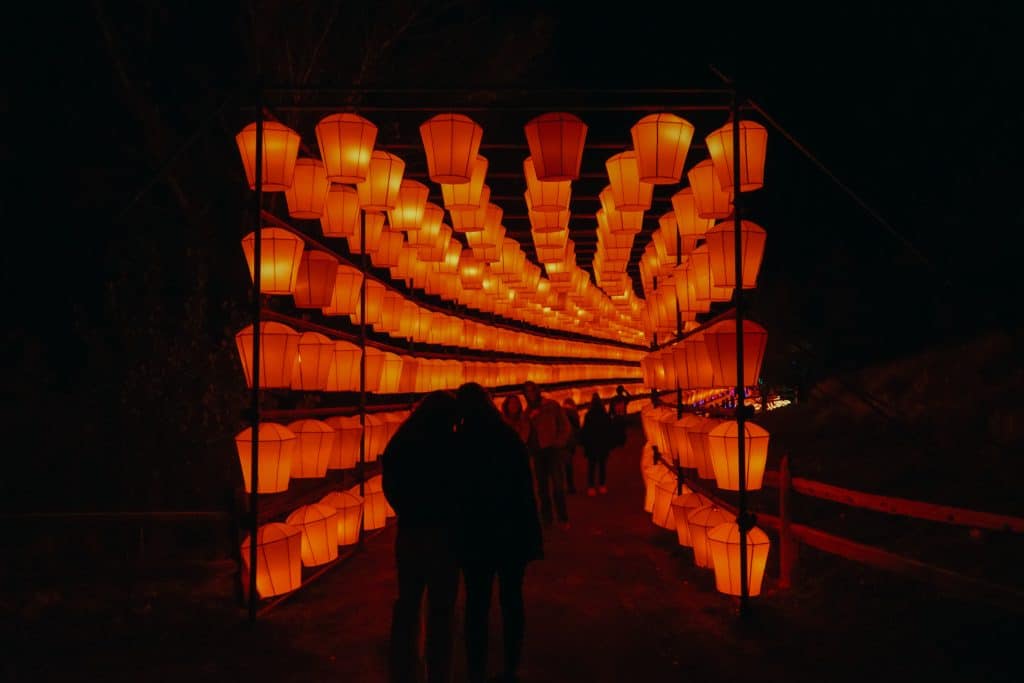
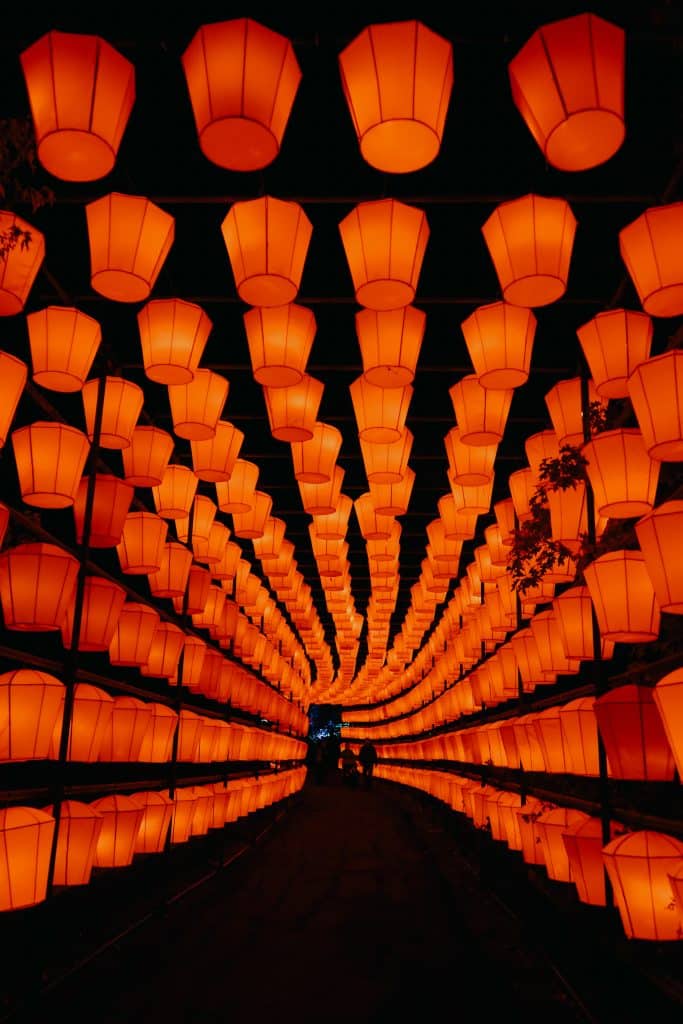
The event’s headquarters are located in Zigong City in China’s Sichuan Province, where each lantern display is made from scratch in a large studio factory.
The city’s lantern-making history stretches back more than a thousand years. Known today as “Lantern City of the South Kingdom”, Zigong is home to more than 1,000 lantern-related companies, with roughly 2,000 of its residents specializing in the craft.
“We call them the artist groups, because there’s no one artist whose job is done alone. It has to be a huge team,” said Liu.
In addition to the artisans who travel to the United States, the team of designers, artists, and engineers working at the factory in China can number in the hundreds.
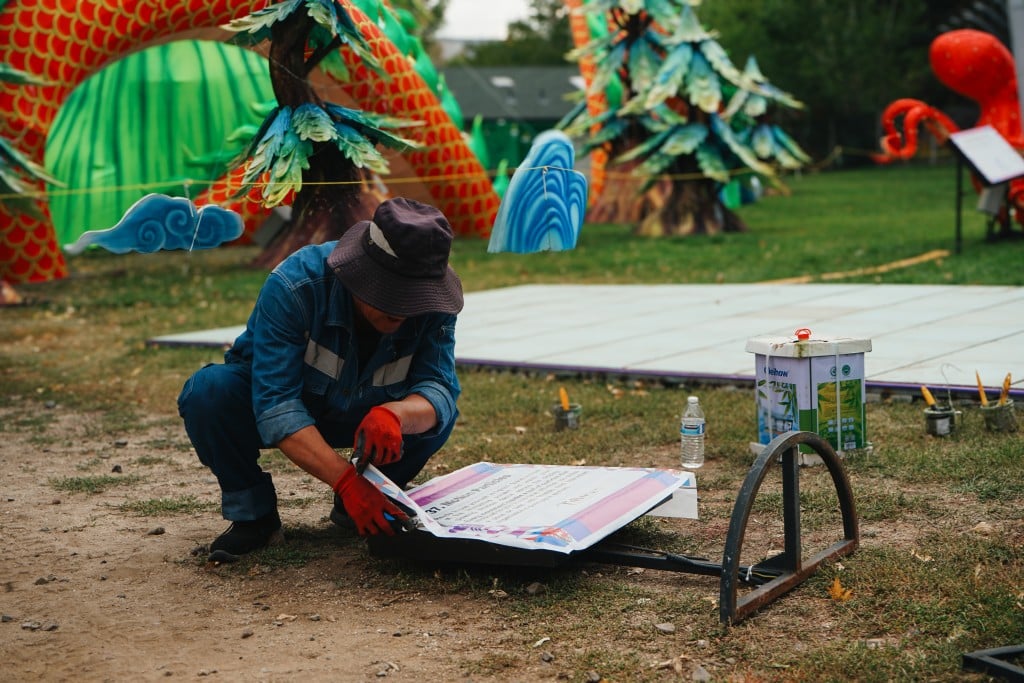
“For this show, we flew out 23 artisans, and they all have different roles,” Liu explained. “Some are welders, some are electricians, some are fabric artists. Then we have a leading artist who decides where everything goes, how it plays, and does all the final touches on the display. Some of the lanterns are painted or sprayed on after they’re set up.”
This is a level of artistry that isn’t easily replicated. Each artisan contributes a crucial piece of the process: welders shape the frames, fabric artists cover them with carefully chosen materials, and electricians wire the displays to glow exactly as intended.
“It’s just impossible for us to find similarly skilled people here,” Liu added.
There are challenges when working on projects of this scale, but Liu said Reno has actually been one of the easier cities to work in — a surprise in their first year.
“Because it’s a smaller city, it feels like everybody knows each other, and there’s a really strong sense of community,” she said. “If we ever need something, people are quick to help.”
She recalled how, during their first setup in Reno, the team needed a place to store their massive lantern displays before installation. “We were lucky to get connected with the J Resort, and the manager there was so kind as to offer their parking lot as a temporary base for us. That’s one great example of how supportive the community here has been.”
That same sense of connection, Liu said, is at the heart of what makes the festival special — not only within Reno, but between cultures.
“The Chinese Lantern Festival has been around for more than 2,000 years,” Liu explained. “It’s really loved and super popular — a tradition that families and friends can share together. Having it here, we see it as not only high-quality entertainment, but also an opportunity for cultural exchange.”
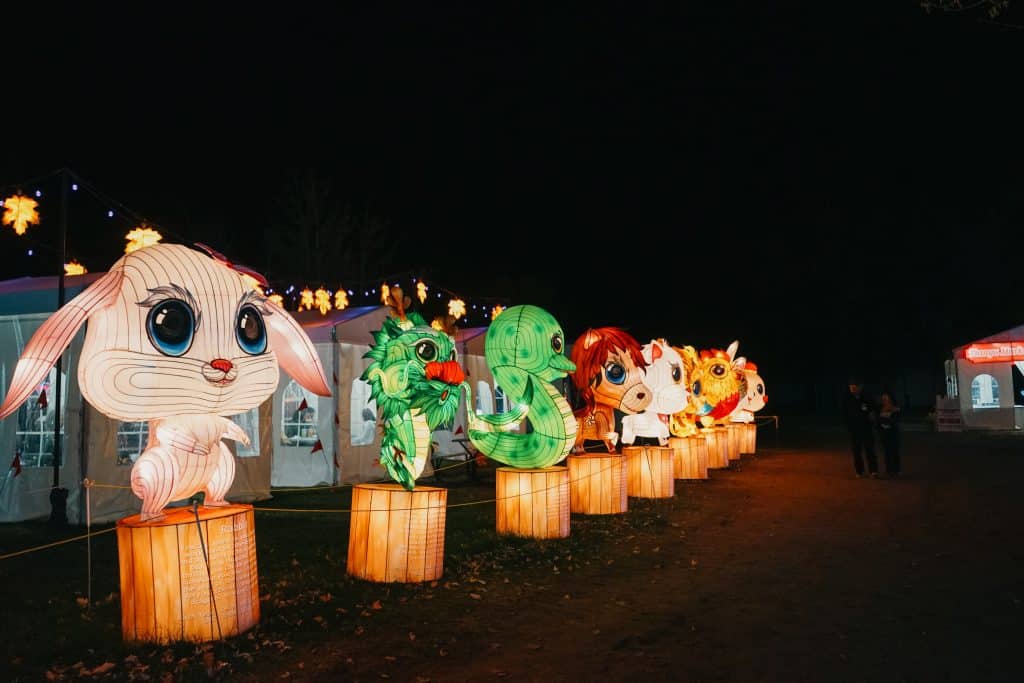
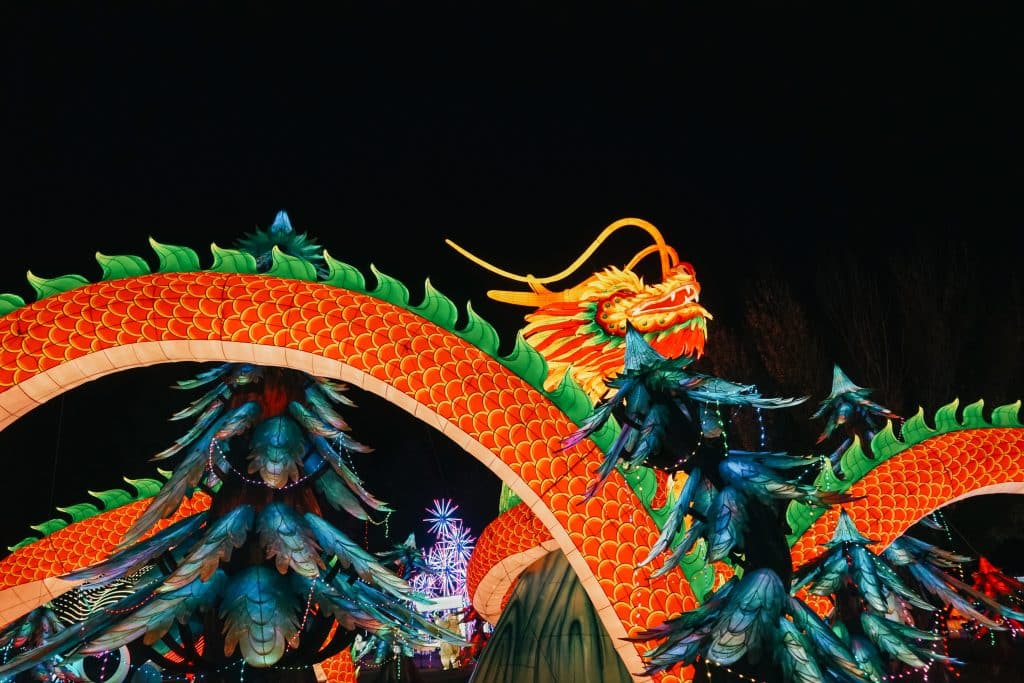
Hugh Shapiro, who teaches the history of East Asia at the University of Nevada, Reno, says events like these create opportunities to draw parallels between our two countries.
“Tradition is incredibly important and it does inform daily life in a very profound way; however, it’s paradoxical because China is also incredibly forward looking and very optimistic and very upbeat and very positive about the future,” Shapiro told KUNR in 2018. “And I think culturally, the U.S. and China have a lot in common, a lot of cultural resonance that people often ignore.”
Event organizers said that in tumultuous and seemingly-disconnected times like these, events like Dragon Lights offer an opportunity to see connections across cultures, rather than differences.
“I think it’s a really good platform for culture exchange and promoting cultural understanding between the U.S. and China, or just China with the world,” added Liu.
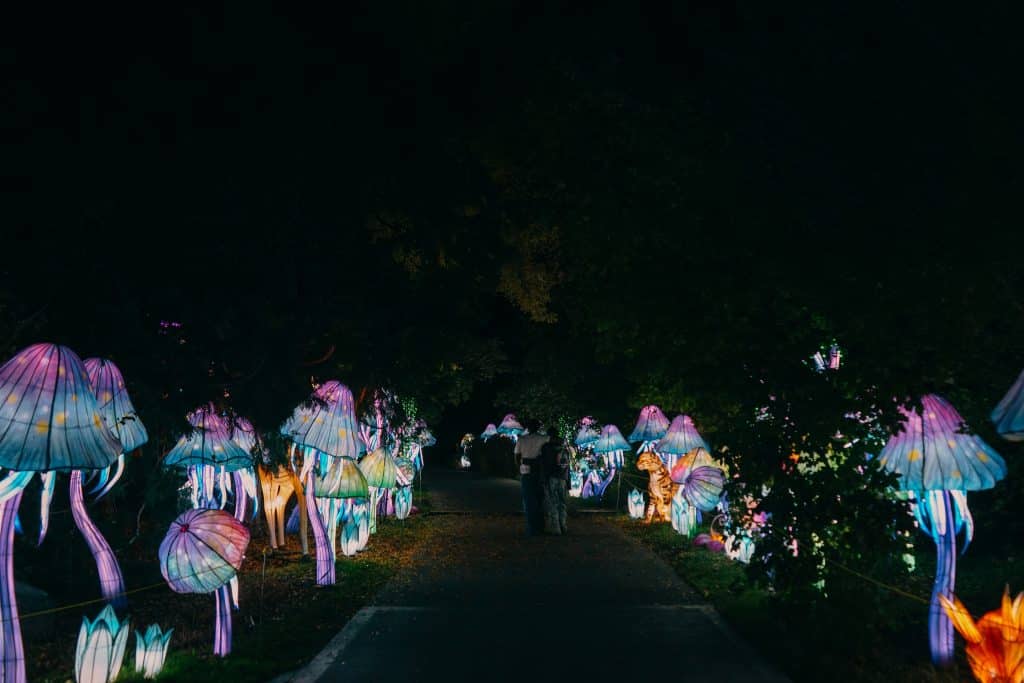
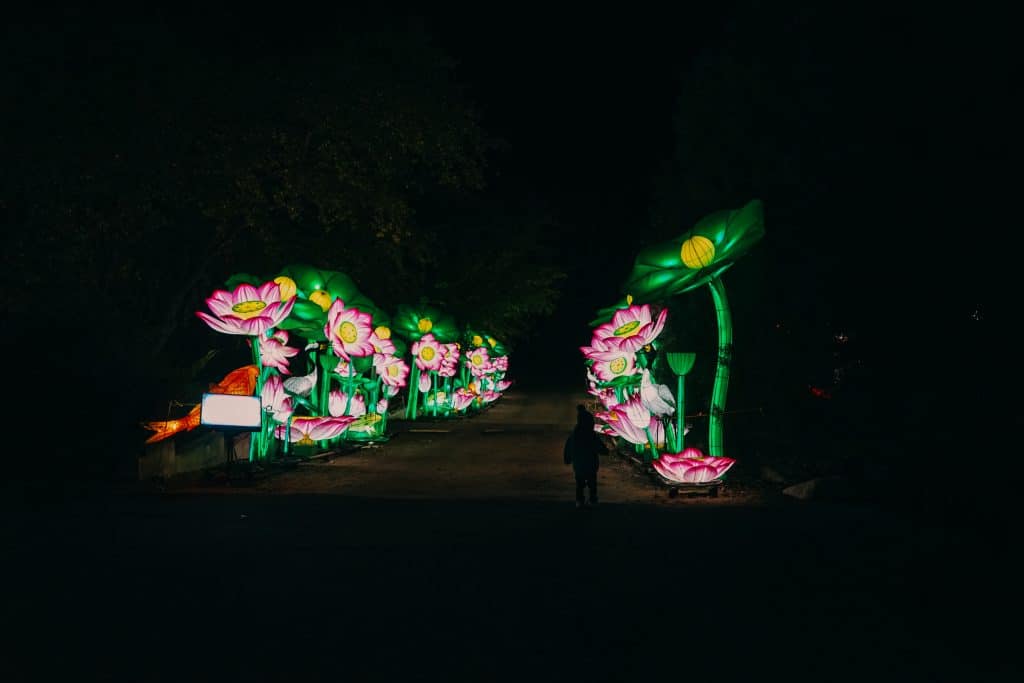
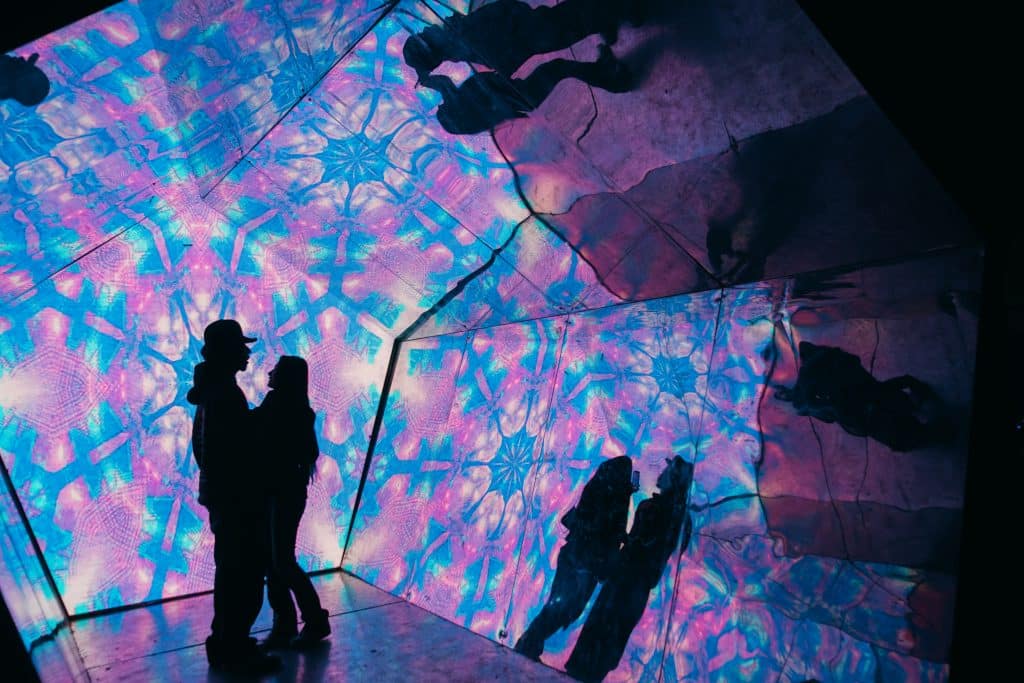
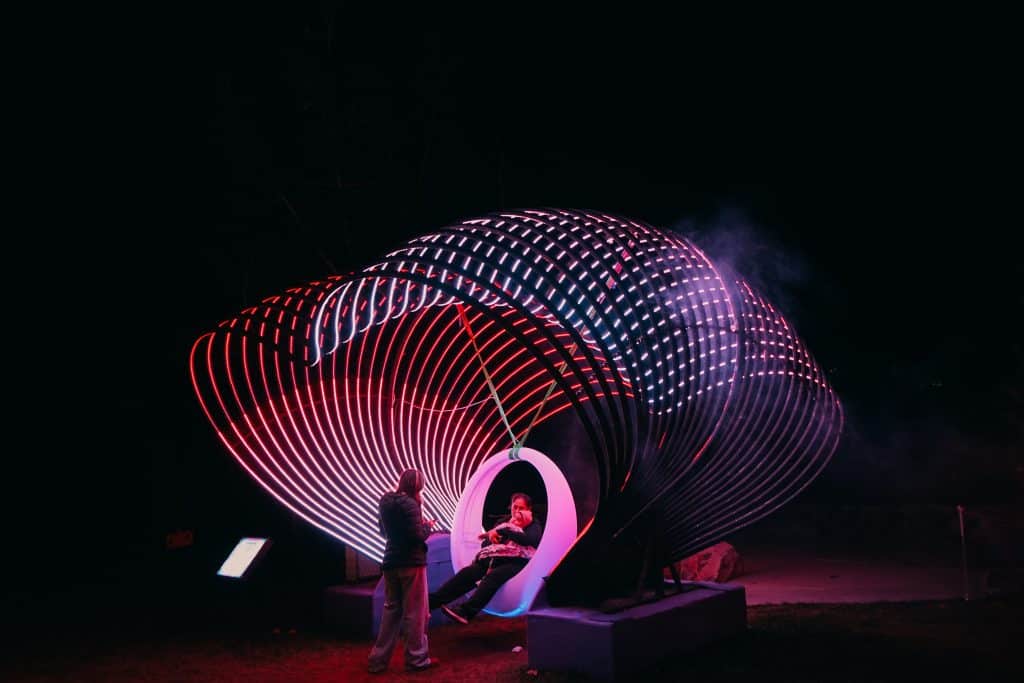
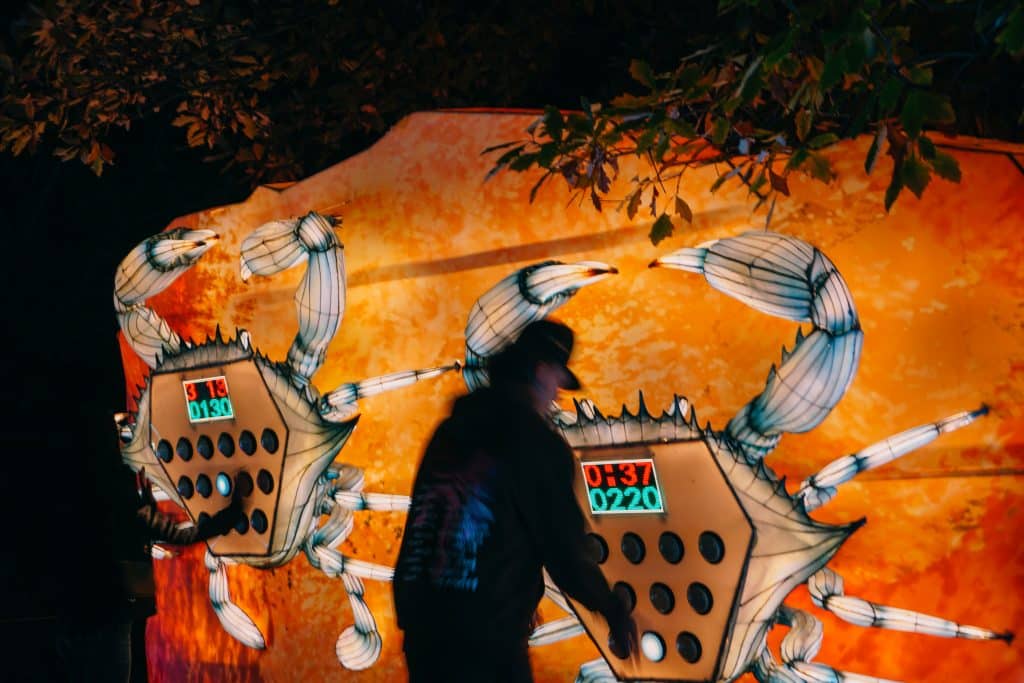
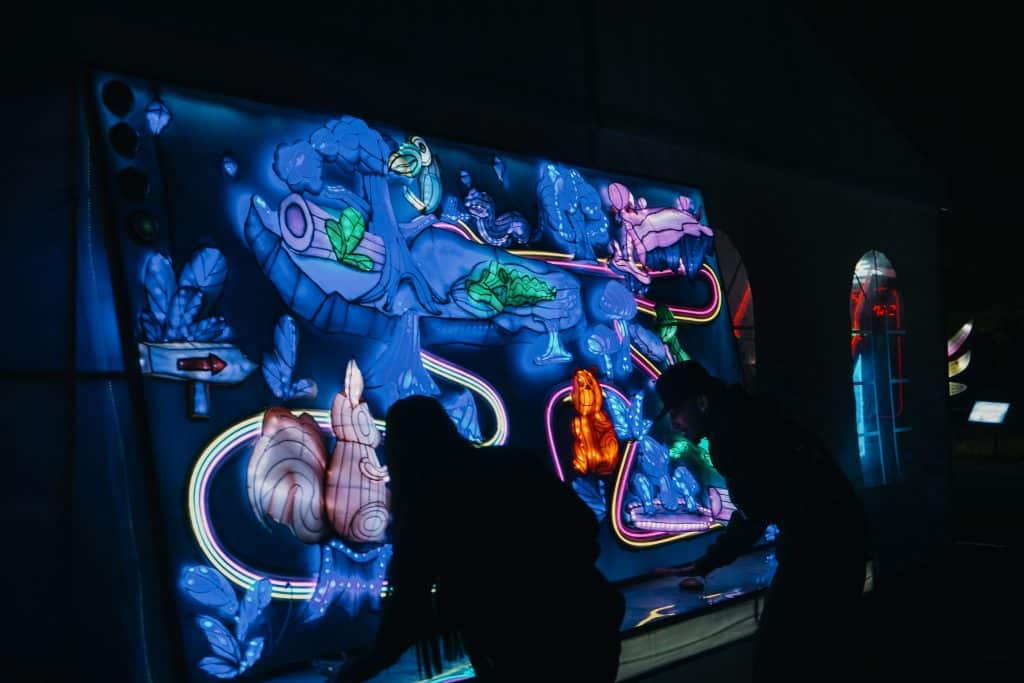
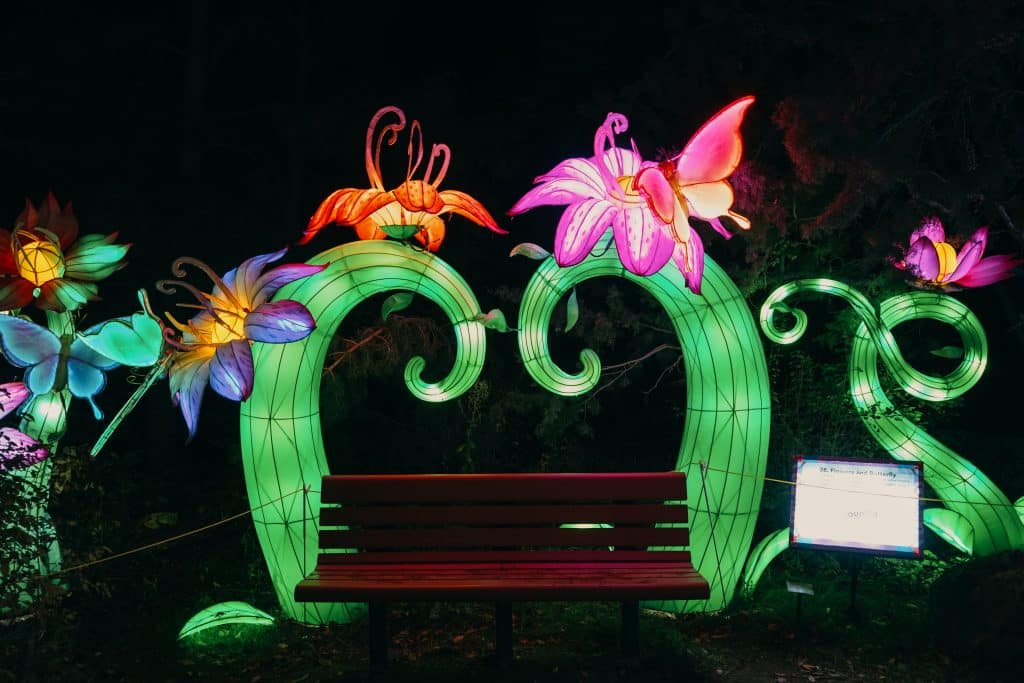
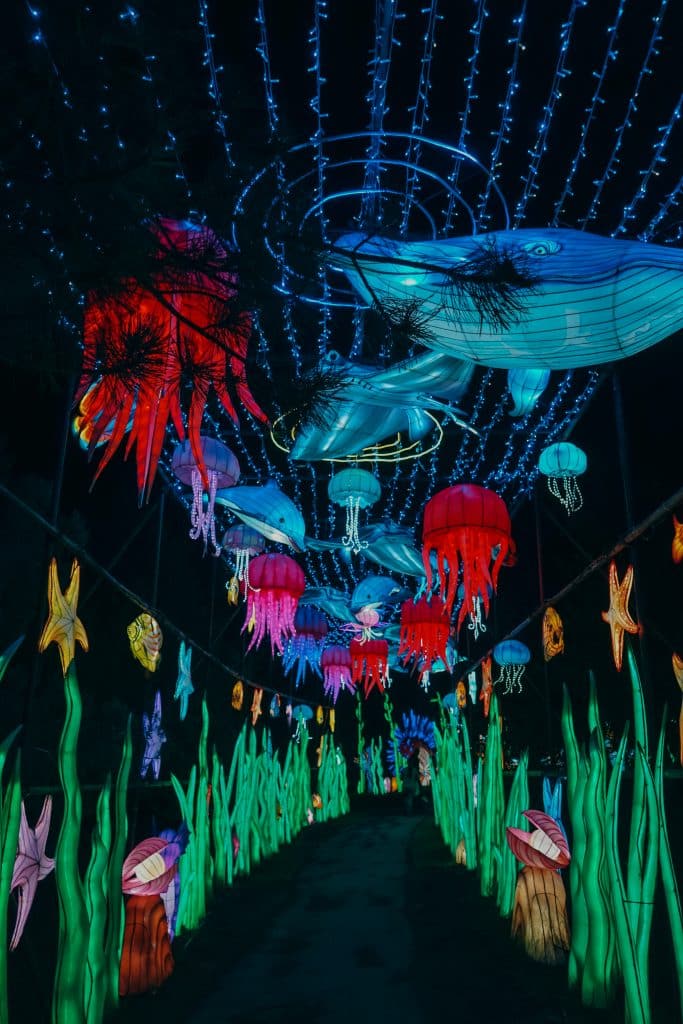
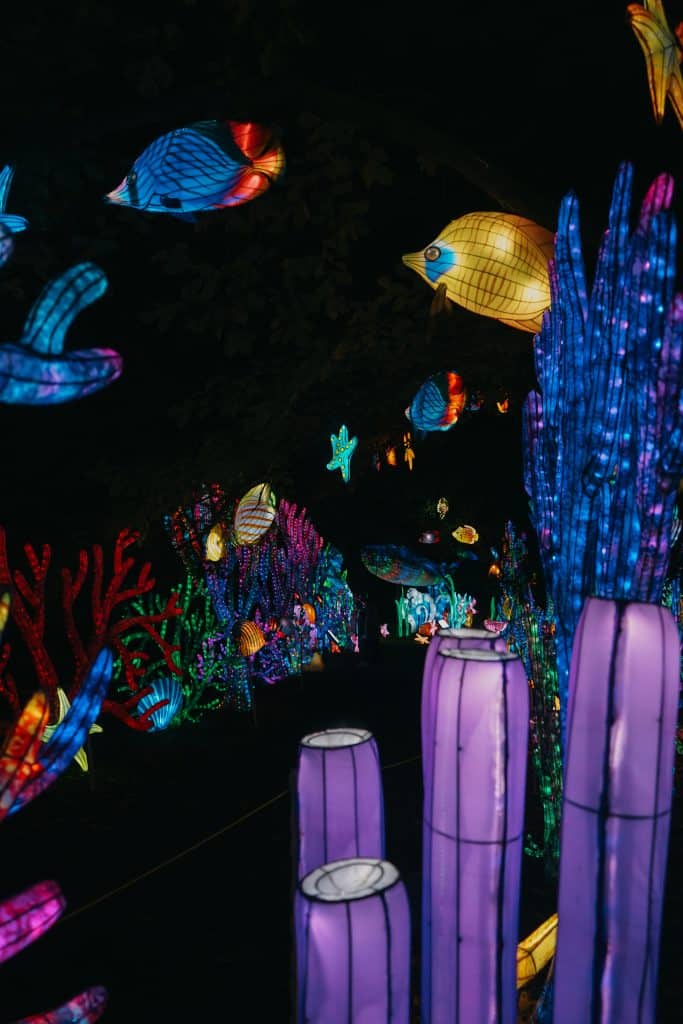
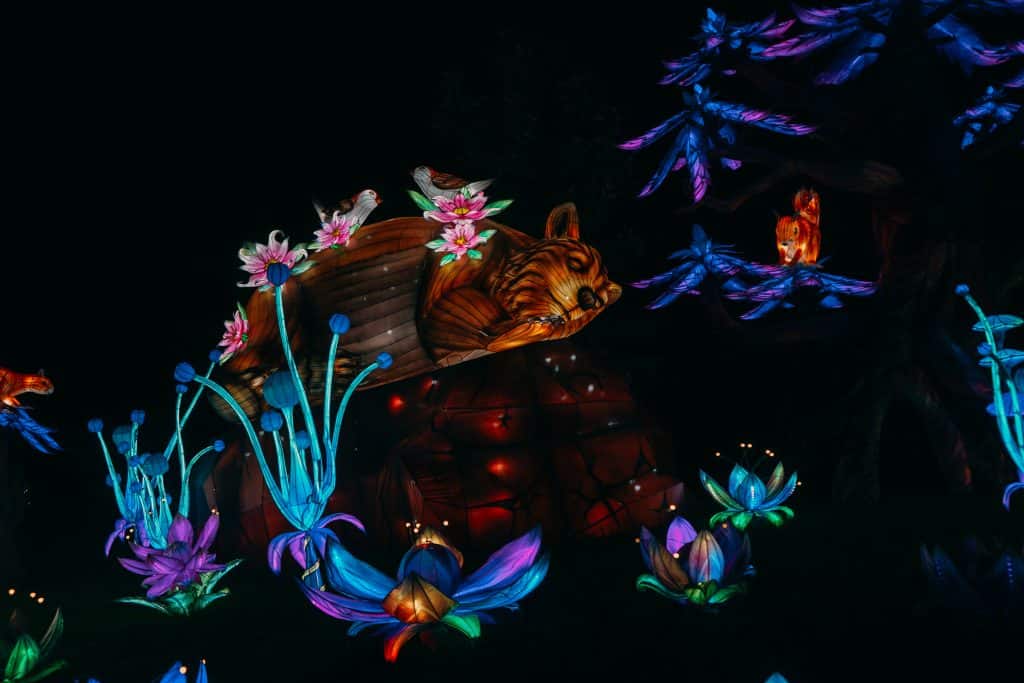
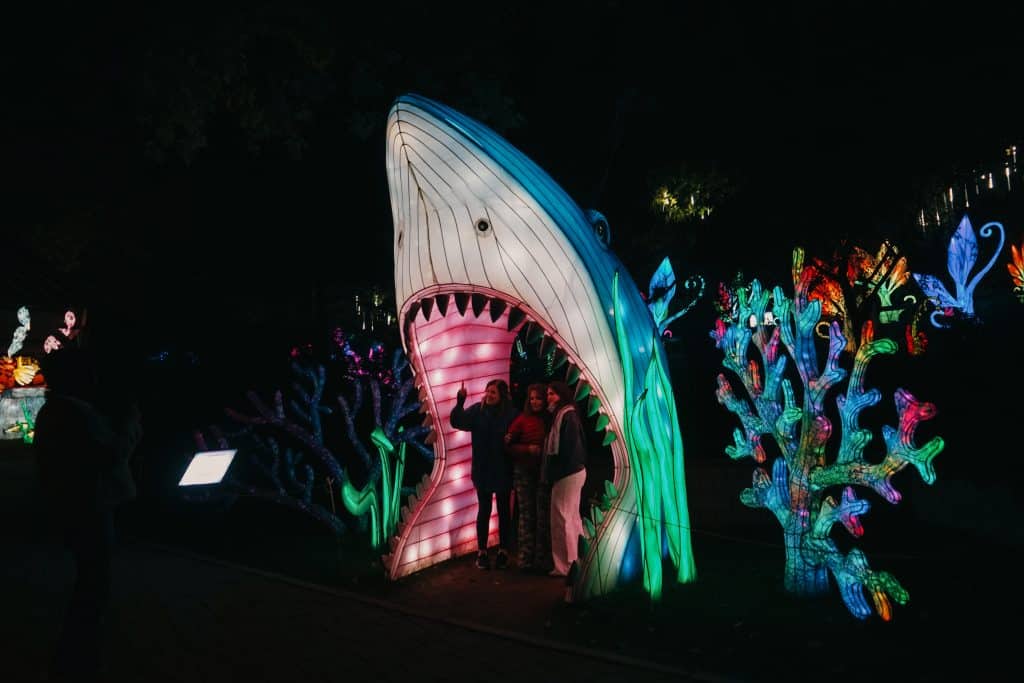
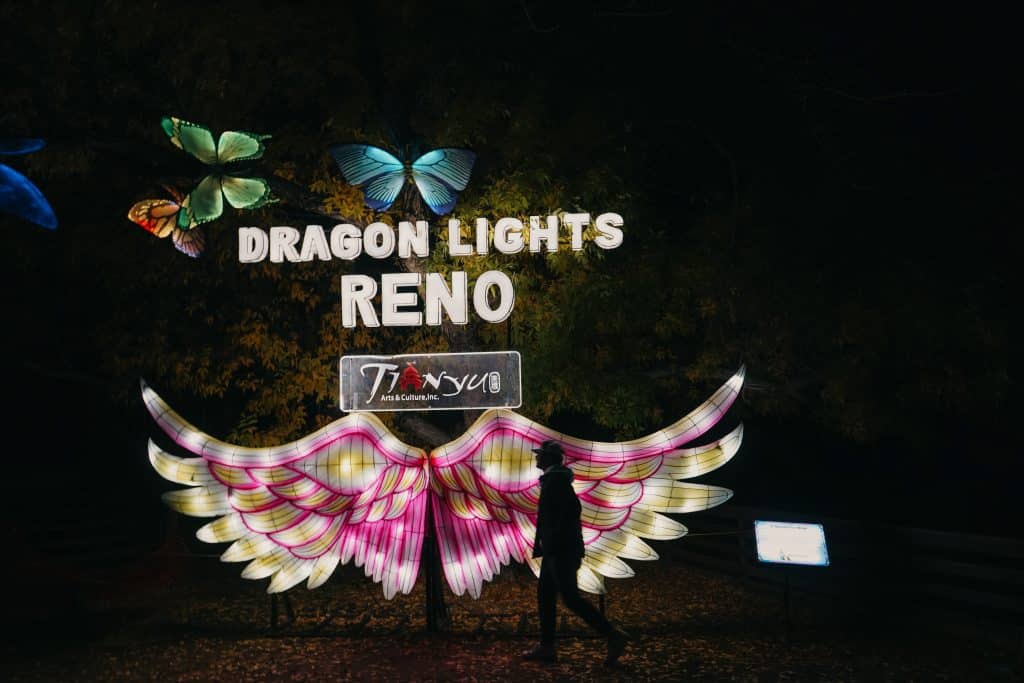
Dragon Lights takes place through November 30 at the Wilbur D. May Arboretum and Botanical Gardens in Rancho San Rafael Park in Reno. If you visit the event, organizers say you can also experience an audio tour [INSERT LINK] that gives you more information about the lantern displays, and helps you navigate the event grounds. Visit https://dragonlightsreno.org/ for more details.
Republish our stories for free, under a Creative Commons license.
Author

Related Articles

Wild Christmas Pinyon
While you might imagine that artificial Christmas trees may be traced back only as far as the glory days of plastic in the 1950s, people actually began making fake holiday trees in the mid-nineteenth century.
A Huge Anchor in Lake Tahoe (or Why You Should Meditate)
Reno-based retired professional, author, and meditation teacher on the simplicity of meditation and why, yes, you can do it too.
By now, it’s a bizarre tradition of the West
Why do 80,000 people gather in a place that’s hot, dusty, and increasingly rainy— not to mention expensive? It’s something like a ritual, homecoming, or maybe even shared misery.