
“Hike Your Hike”
A Pacific Crest Trail Journey, Part 6
“Hike your hike,” they say on the Pacific Crest Trail. There’s no one right way to approach it, so hikers do it their own way with a live-and-let-live attitude.
However, my first weeks on the PCT taught me a great deal. I lightened my pack, quickened my pace, and honed my skills while I experienced considerable weight loss, hiking hungry every day and arriving in each trail town famished.
Here are some suggestions to help you hike your hike with fewer growing pains than I experienced.
Tip #1: Start with section hikes
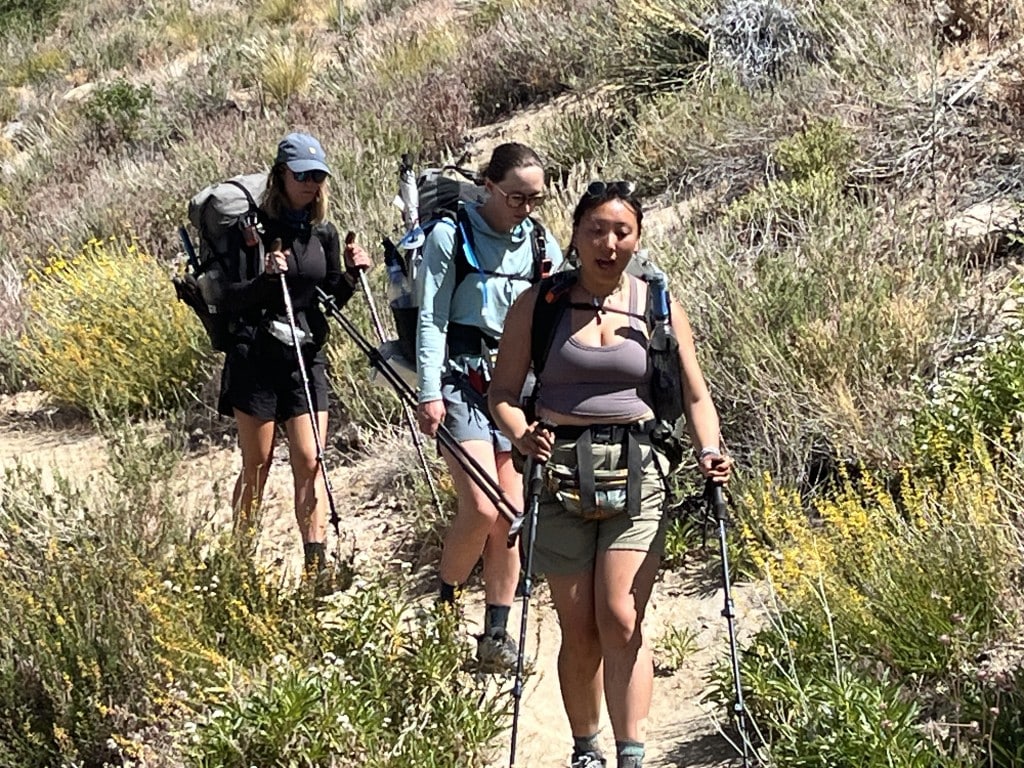
The full PCT extends 2,650 miles and one might expect that everyone attempting it has experience. Actually, I met some who made it their first-ever backpacking trip! That they struggled came as no surprise. Starting with section trips will help hikers improve their fitness, skills, gear selection and enjoyment.
Consider Sonora Pass to Ebbetts Pass (31 miles), Highway 80 to Sierra City (37 miles), or Ebbetts Pass to Highway 50 (41 miles). Each of these will have good access and permits available in the peak season.
Tip #2: Get the right gear
Lightweight packs, tents and other gear will set you back a few bucks but the investment will pay you back with a lighter pack on every step you take. Since everyone hikes with phones these days, don’t forget to pick up a solar panel to keep yours charged.
Those who hike the full PCT will alter their gear multiple times. One can pack lighter in the desert, for instance, than in the mountains, where colder nights and storms require warmer clothes and sleeping bags. Those who attempt the mountains before snows recede in mid-summer will need microspikes and possibly ice axes and crampons.
Tip #3: Time it right
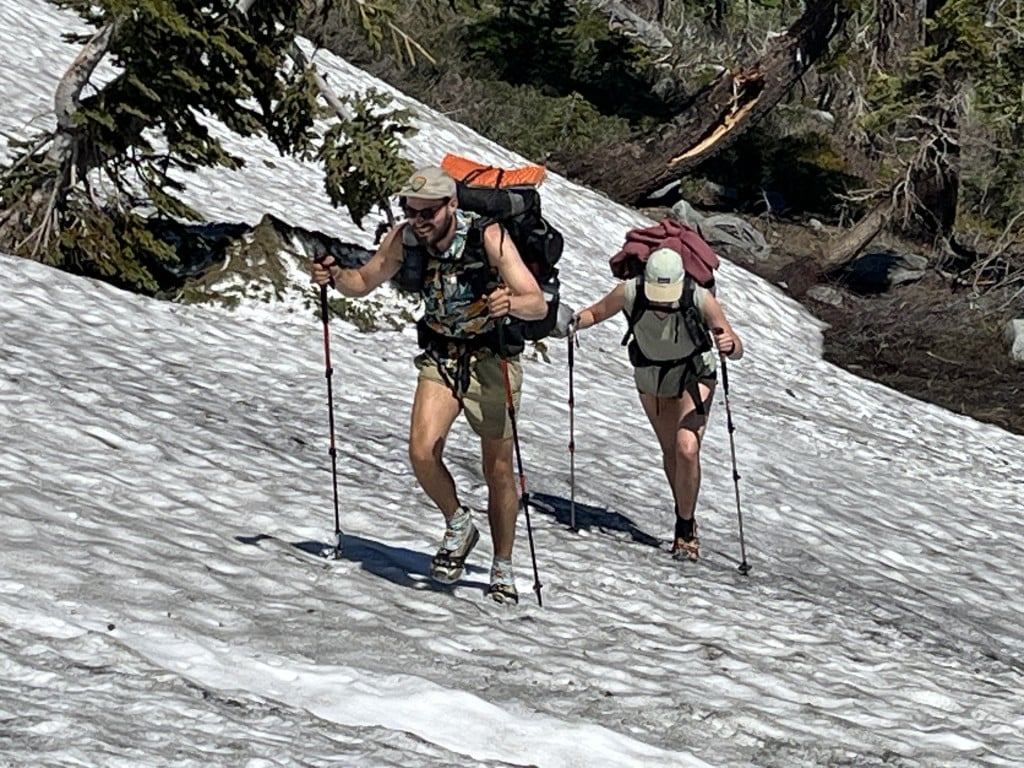
Timing the start of your hike well can mean the difference between success and disaster. Most thru-hikers go northbound and start from the Mexican border in April. It’s essential to cross the desert before summer heat arrives.
But the Sierra Nevada snowpack is another consideration; those who reach the mountains too early face weeks of exhausting trekking over snow. A light winter allows manageable Sierra hiking conditions in June; a heavier winter could push that back by a month.
Tip #4: Eat right
PCT hikers commonly trek 20 miles per day for months. Those who have never experienced that may find the energy output and weight loss shocking. Increase your caloric intake to keep your strength; 5,000 calories per day is not unreasonable. Most consume dehydrated backpacking meals, which are surprisingly good these days. Plan on large, well-deserved and indulgent restaurant meals in every trail town.
Tip #5: Plan ahead with food boxes
Most trail towns have good shopping options and there’s no reason not to buy food there. If passing through the ones which do not (like Warner Springs, Sierra City and Mazama Village), mailing yourself a food box will help you resupply for the next portion of your journey. Hikers send packages to themselves at post offices or to hiker-friendly businesses. Look up the trail towns you expect to visit and learn what other hikers do there.
Tip #6: Network with trail angels
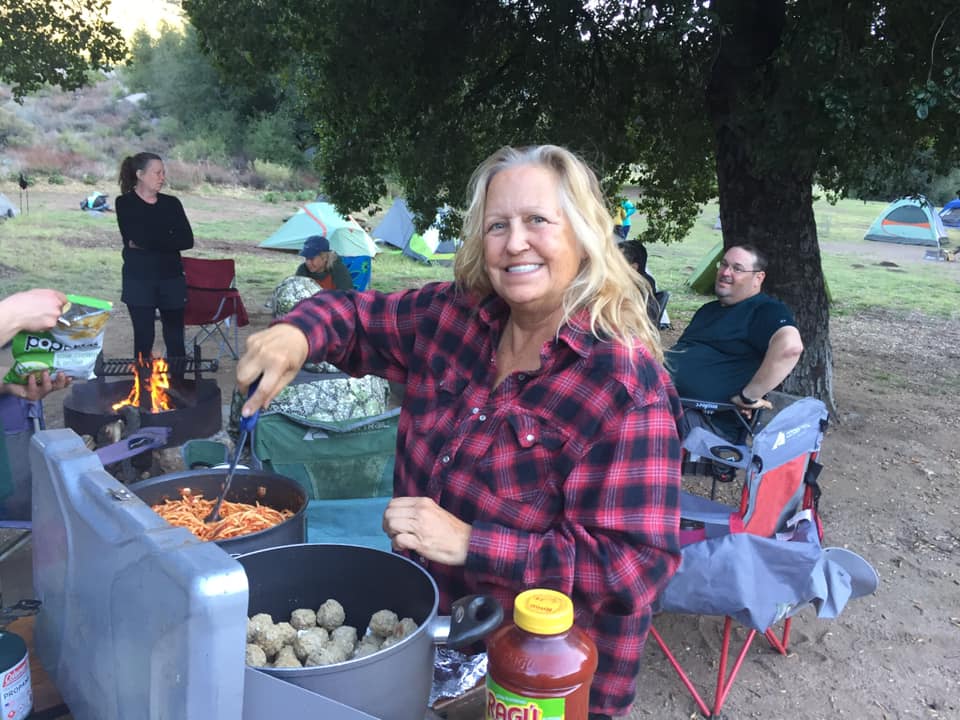
Nothing lifts a hiker’s spirits more than reaching a road crossing and finding a friendly face offering food and cold drinks. Trail angels, the heavenly and selfless people who help hikers, do this and much more. They deliver bottled water to strategic locations in the desert, give hikers rides to and from trail towns, and even shelter and feed them in their homes.
Hikers can benefit greatly, and save money, by networking with them in advance of their trips. Trail angels from particular areas have Facebook pages and other websites. It’s good form to offer donations to offset their expenses like gas.
Tip #7: Take some detours
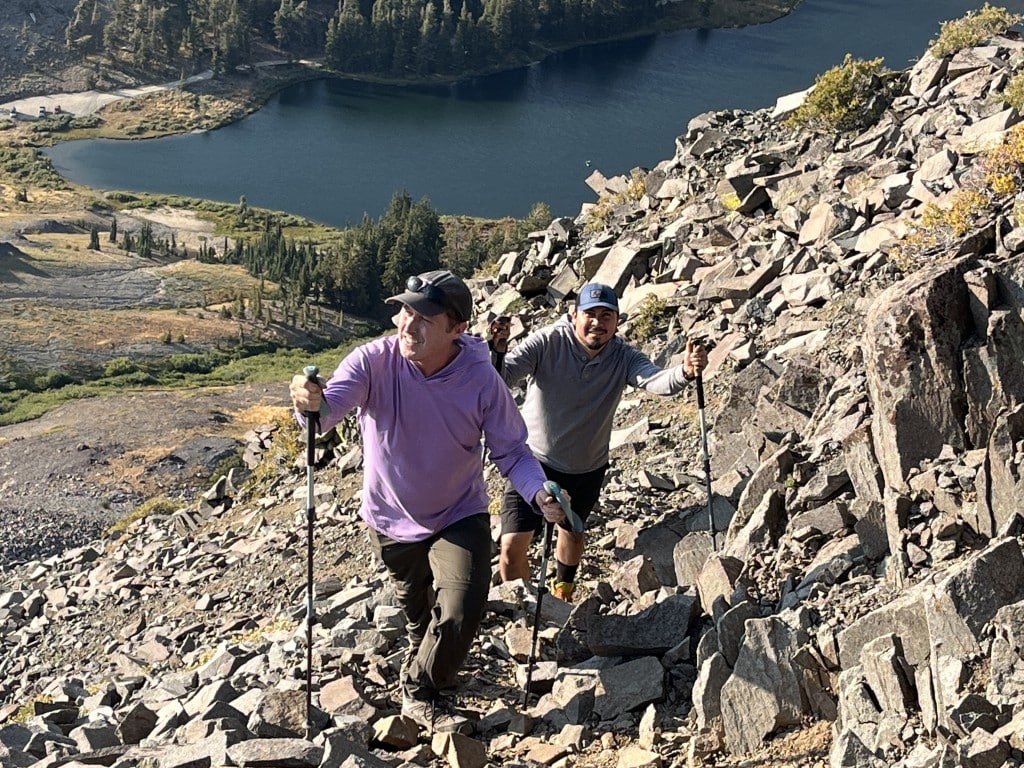
The trail won’t trek itself and it’s easy to get fixated on covering miles. That’s well and good as long as you remember to enjoy the sights and attractions along the way. The trail leads directly to many of these, but others require detouring off the PCT for varying distances.
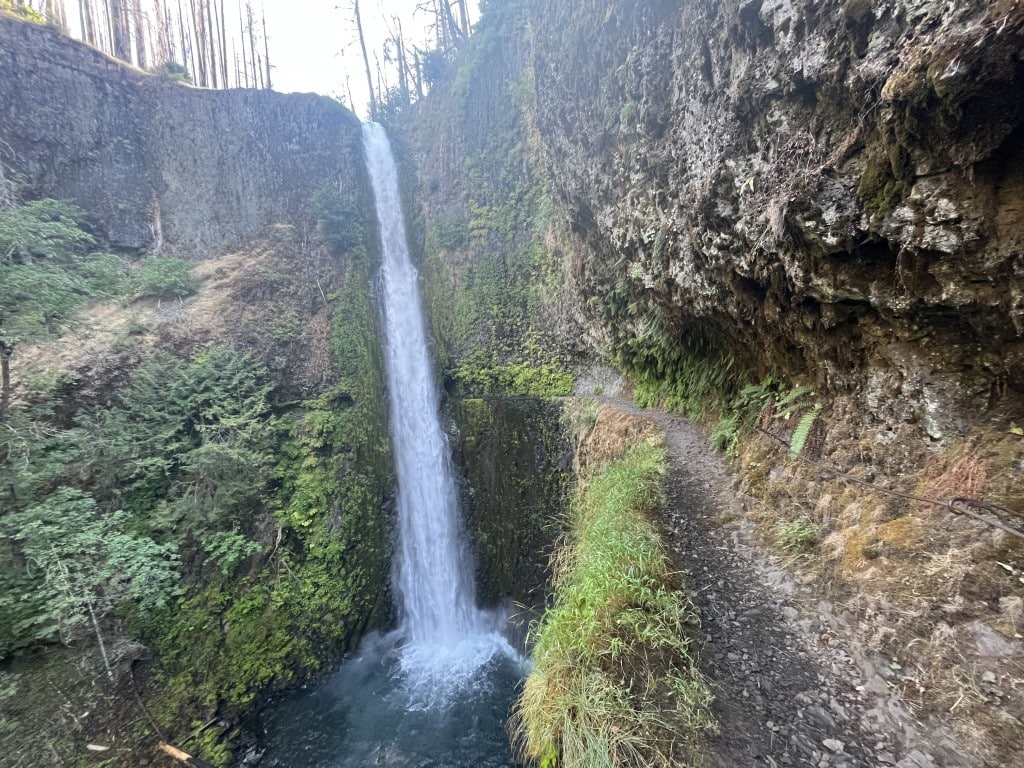
Odds are you won’t come back to visit these separately so you’d might as well make side trips to appreciate them. A few worthy stops near the PCT include Mount Whitney in Sequoia National Park, Devils Postpile National Monument, Benson Lake in Yosemite, Crater Lake in Oregon, and waterfalls of Columbia River Gorge.
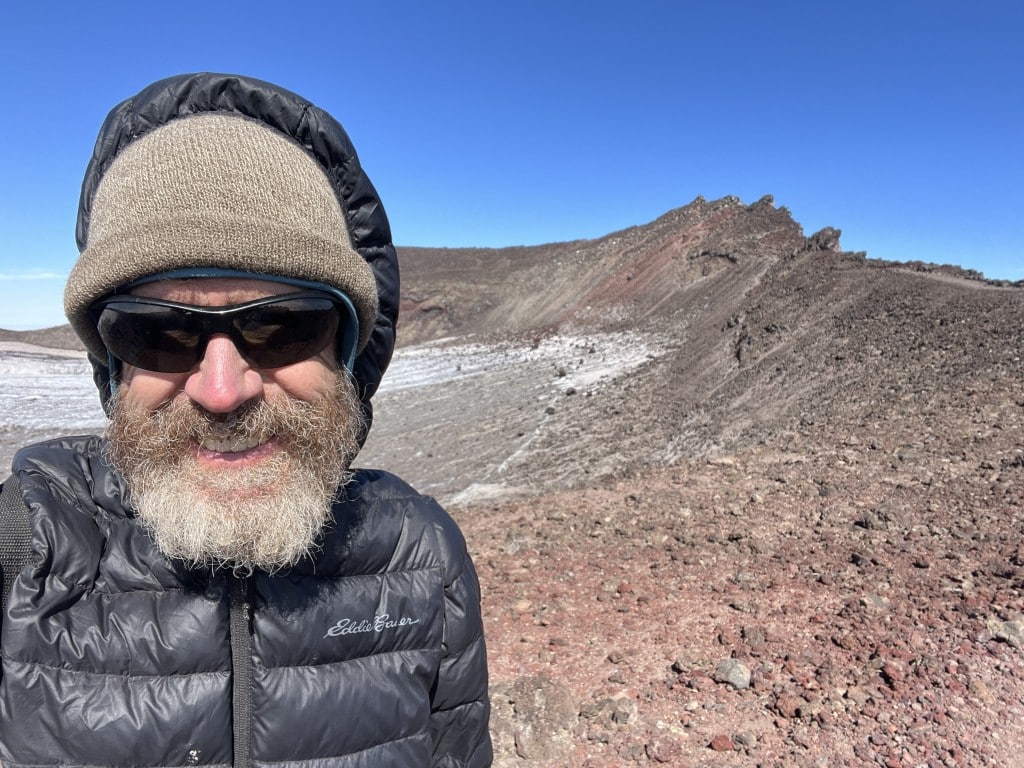
After I dropped an unhealthy amount of weight in my first weeks, I learned to eat a dinner for two each night plus larger breakfasts and lunches. Trail angels lifted me at key moments with their world-class kindness. I shed unneeded items and upgraded with lighter gear. The two-dozen mountain summits I climbed, like Oregon’s South Sister and Mount McLoughlin, became highlights of my journey. As much as I learned, I know the trail still has more to teach me, and I can’t wait to experience it again.
If you feel the PCT calling you also, I hope you hike your hike.
Republish our stories for free, under a Creative Commons license.
Author
Related Articles

It Could’ve Been Me
The tragedy in the backcountry outside of Truckee is a reminder to not judge too quickly and reach out to those close to you
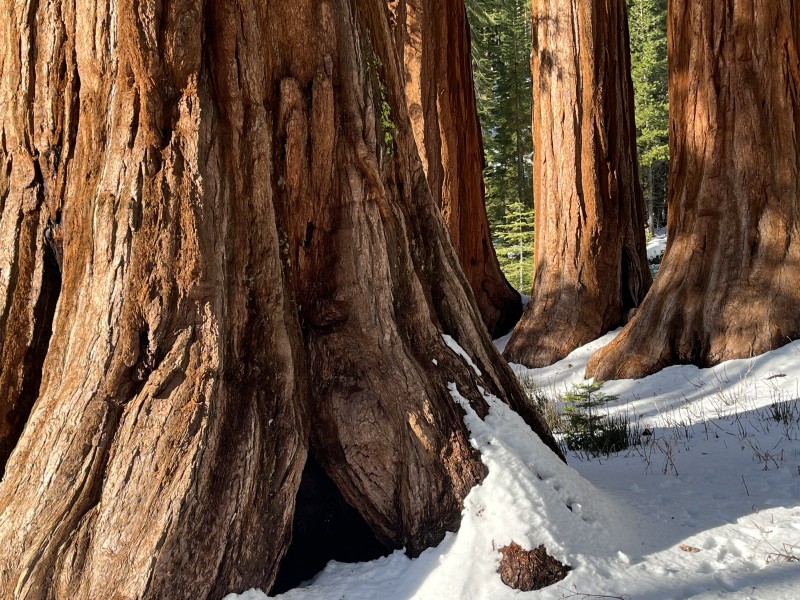
Winter Coat and Restoration Suit Yosemite’s Mariposa Grove
A major restoration has transformed the park’s famous grove back into a place of wonder.
Writing a guidebook pays off, really
The money isn’t much, but the experiences are rich