
September Skies: Behind the Scenes at the Great Reno Balloon Race
Each September, nearly 100 hot air balloons rise with the sun. A firsthand look at how it all happens.
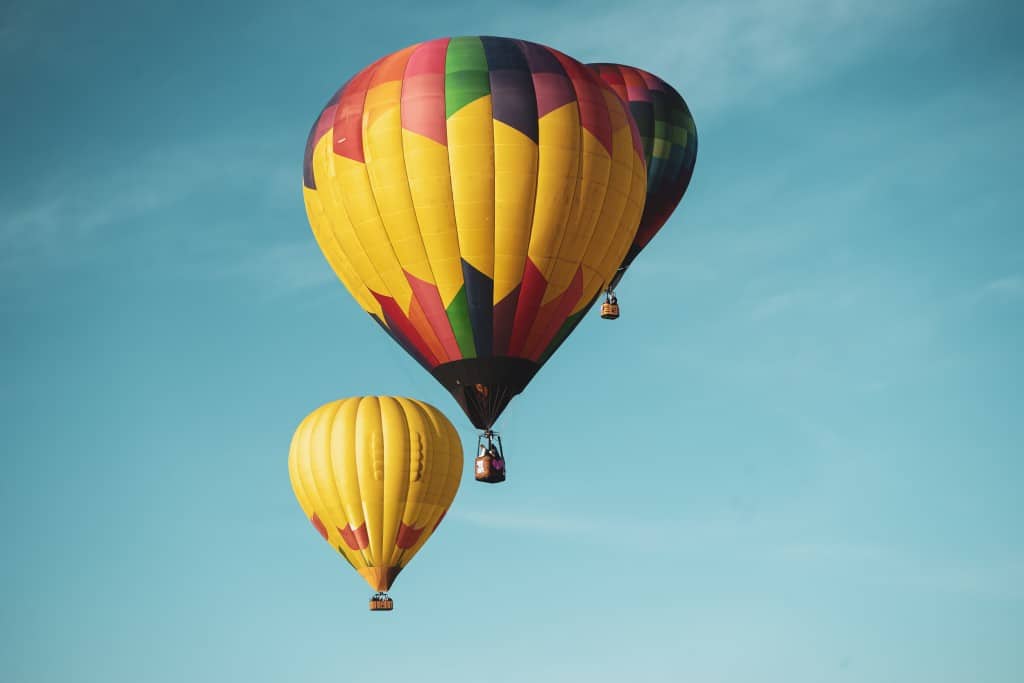
Once a year, early mornings in Reno get a little more magical.
Each September, the dawn sky transforms into a canvas of color as nearly 100 hot air balloons rise with the sun, marking the return of the Great Reno Balloon Race (GRBR). Since 1982, the event has drawn more than 150,000 spectators annually, making it the world’s largest free ballooning event and a beloved tradition for Reno residents.
I grew up watching these balloons from the grassy lawns of San Rafael Park—but this year, I got to experience them from above.
Last month, ahead of the official races (Sept. 5–7), I was invited on behalf of the Sierra Nevada Ally to attend the 2025 GRBR Media Day—an opportunity to meet some of this year’s pilots and even take a ride in one of the balloons myself.
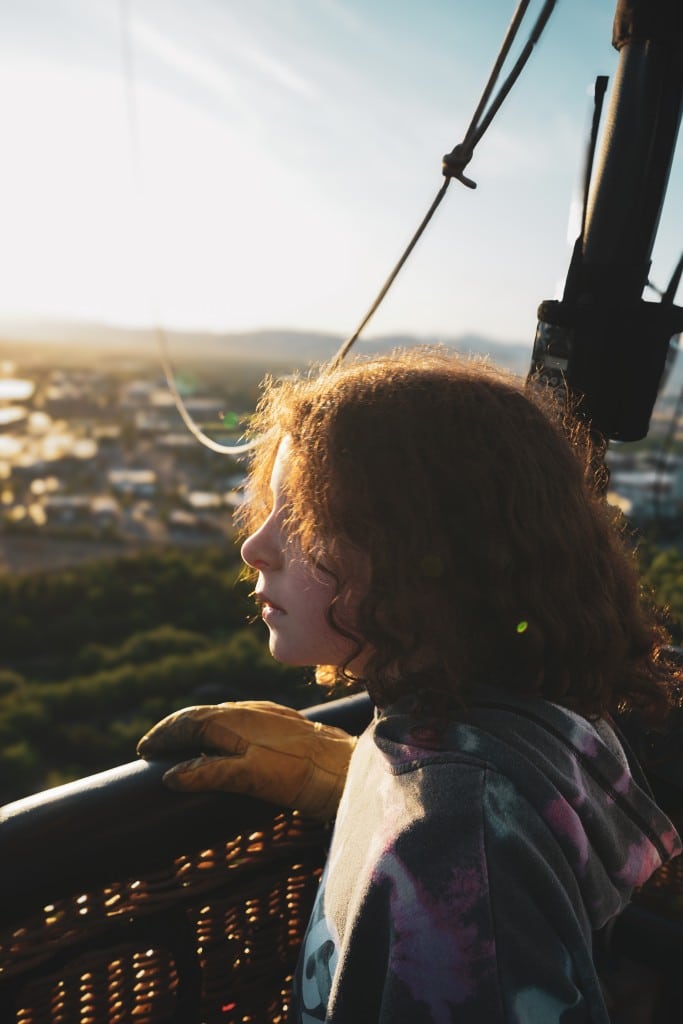
I woke early and headed to San Rafael Park, joining longtime pilot Katie Griggs—who has been flying hot air balloons for nearly forty years—and her 10-year-old granddaughter, Olivia, for a ride I’ll never forget.
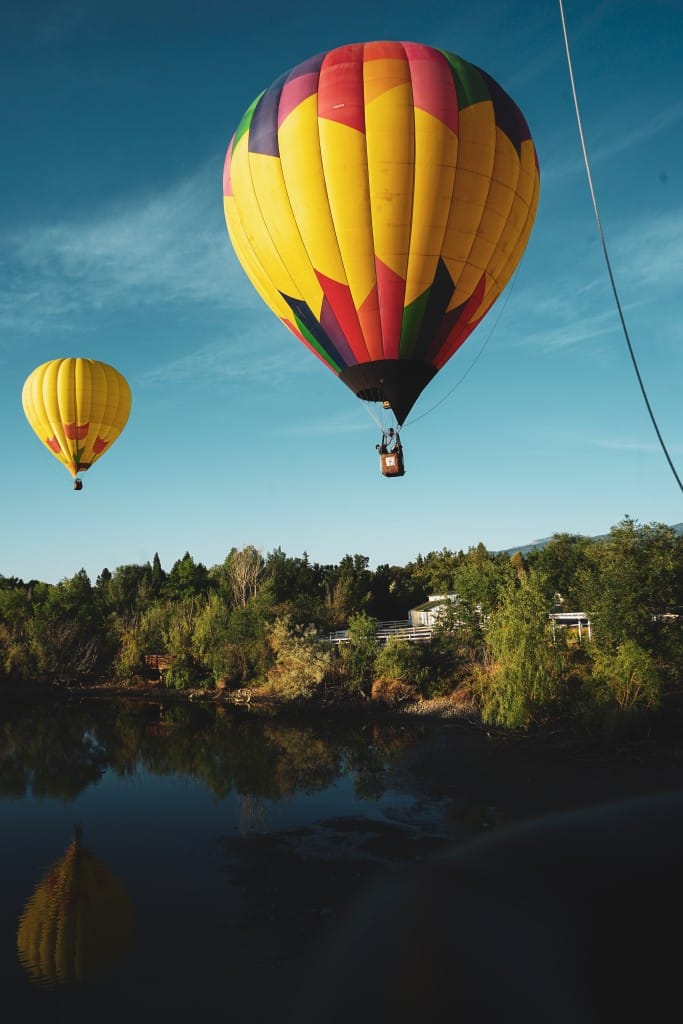
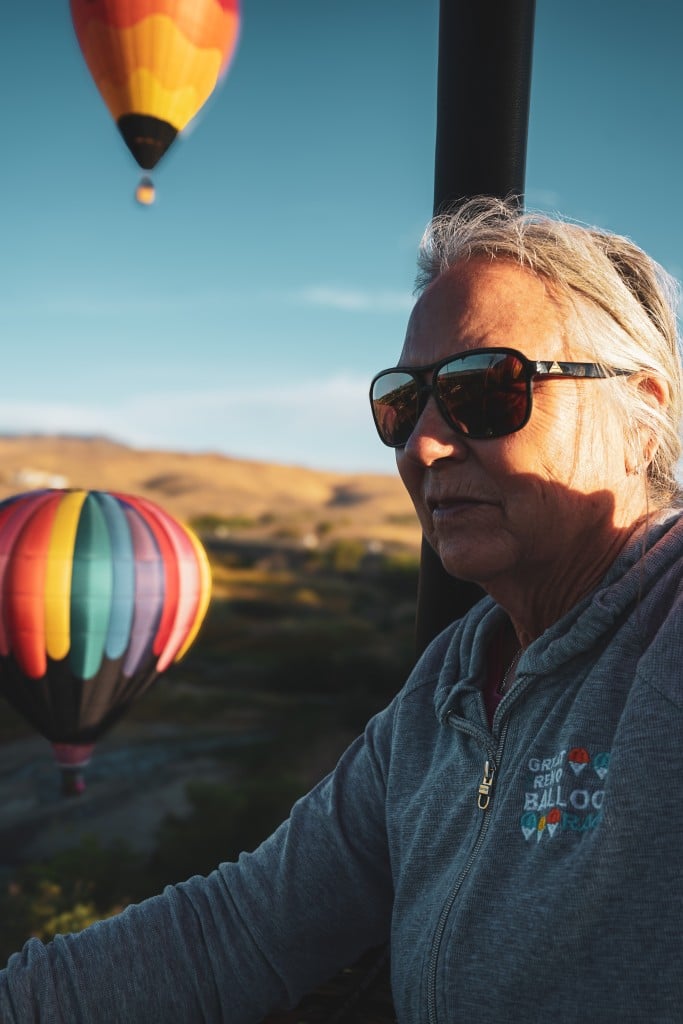
From the ground, as Reno residents know, the balloons are an extraordinary sight, but the skill, technique, and dedication required to make them fly are largely hidden from spectators. Floating above the city was, of course, a bucket-list-worthy adventure—but perhaps just as remarkable was witnessing the careful work up close and meeting the people who make it all happen.
Even with the curtain pulled back, the magic of these races is, still, very much real.
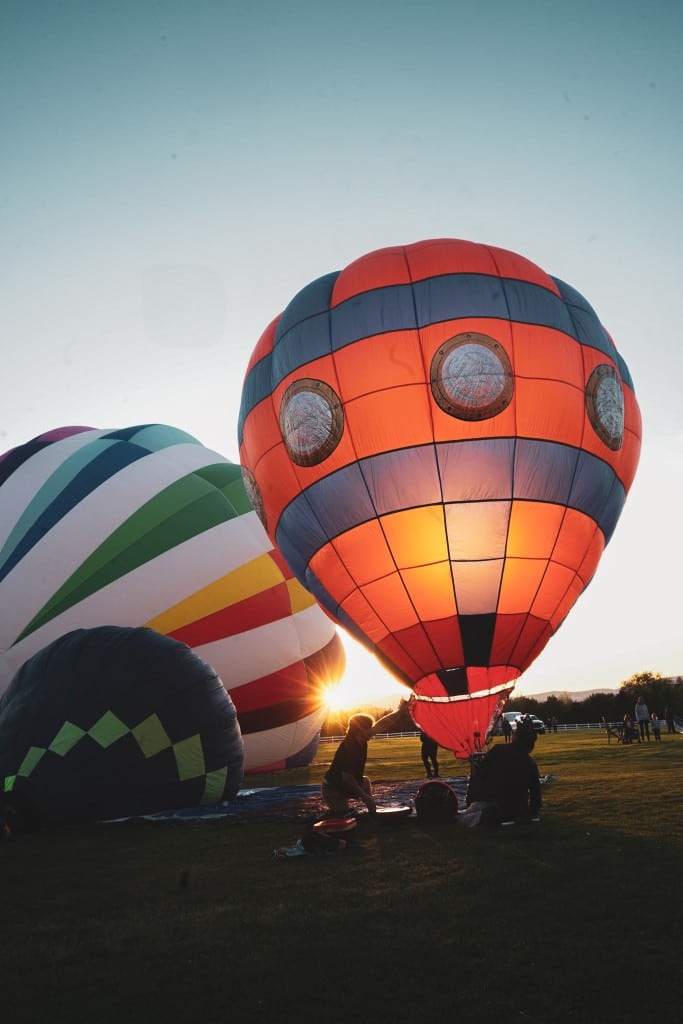
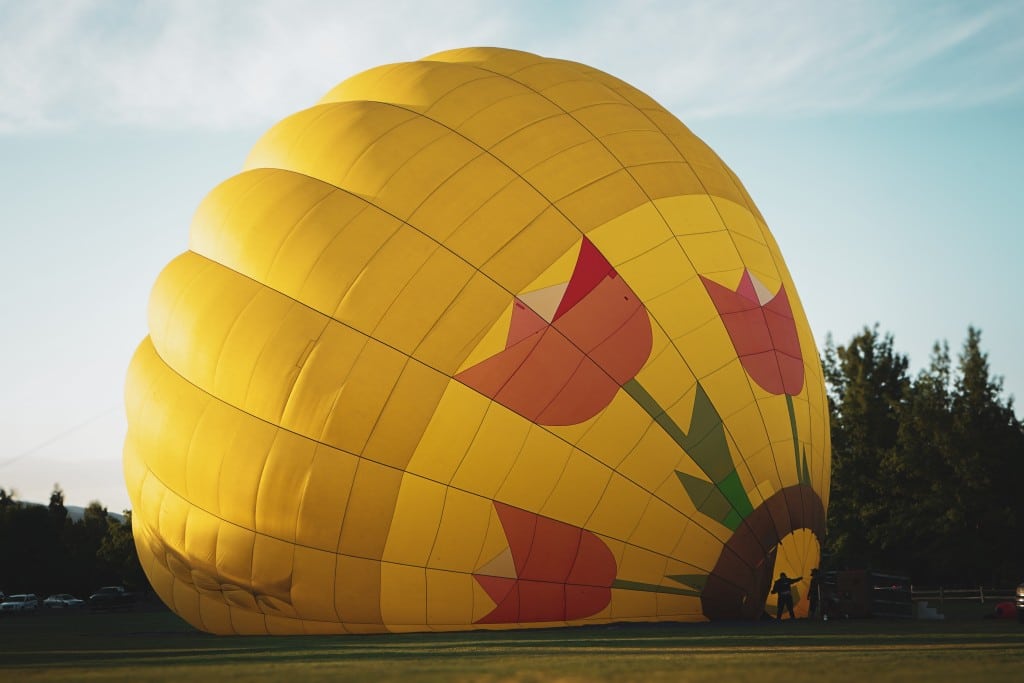
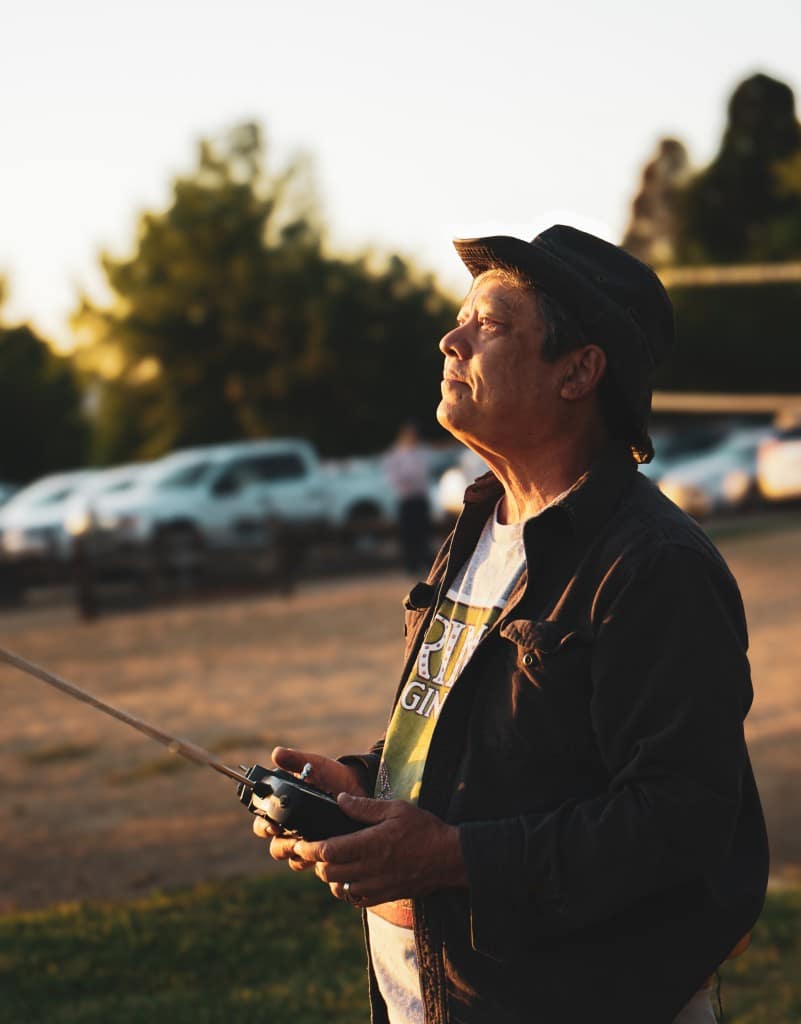
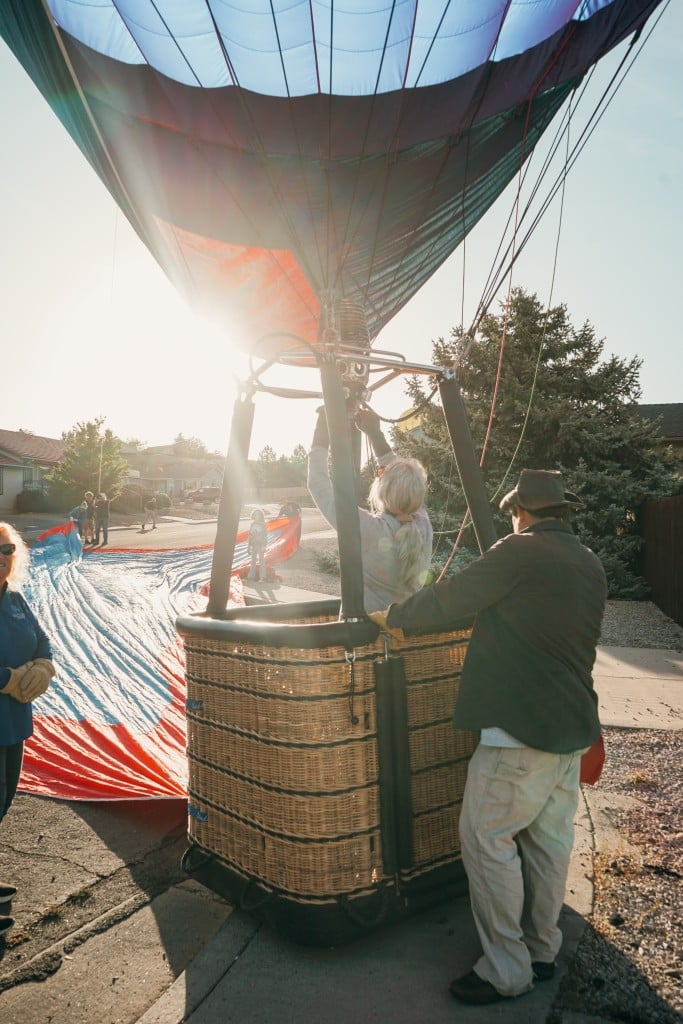
I step into the small wicker basket—about four by five feet—beside Katie and her 10-year-old granddaughter, Olivia. I don’t even notice we’ve begun to ascend until Katie’s ground crew starts waving, their figures shrinking below us. The lift-off is impossibly smooth.
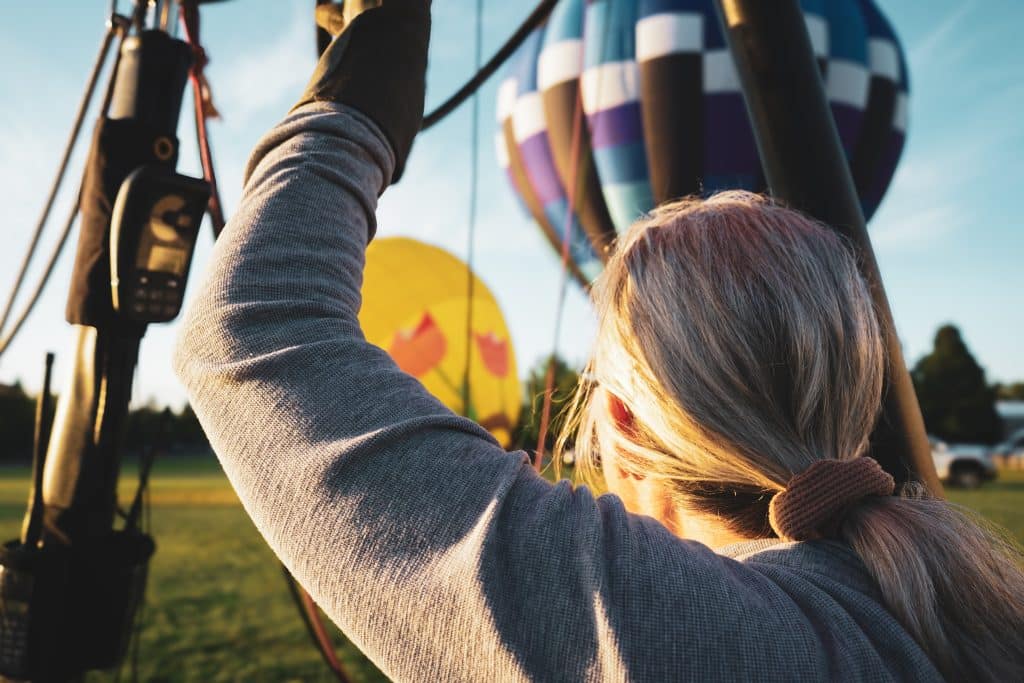

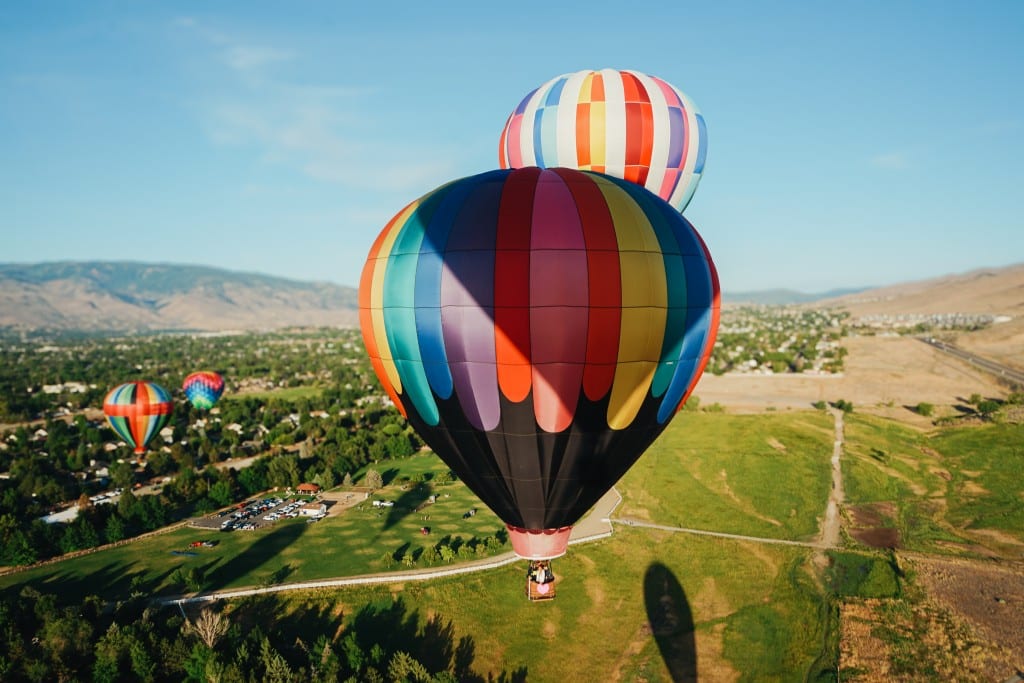
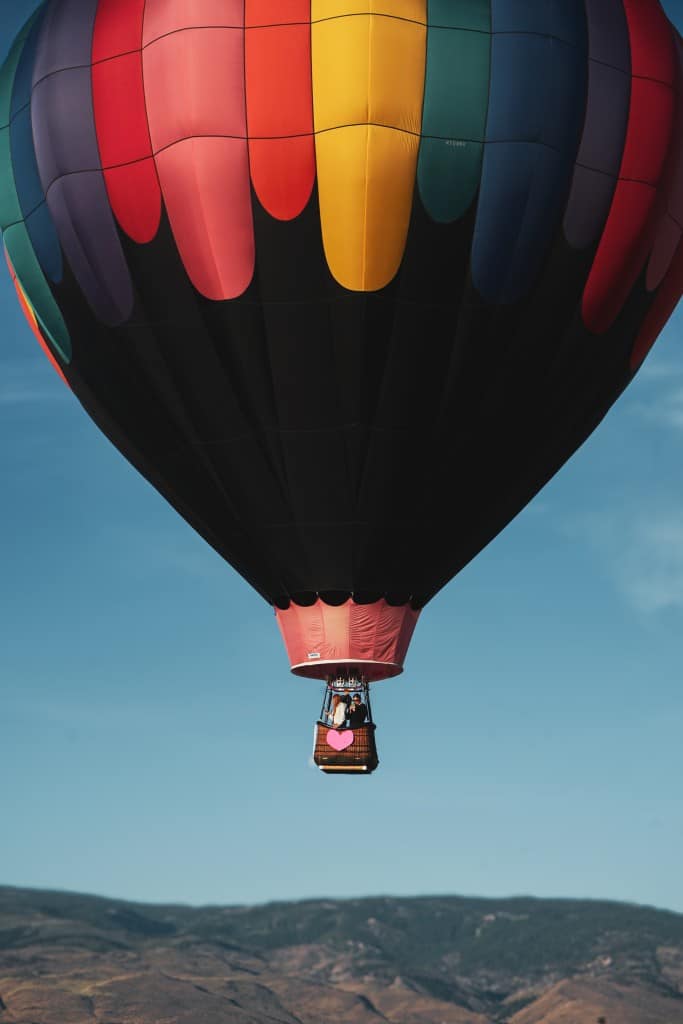
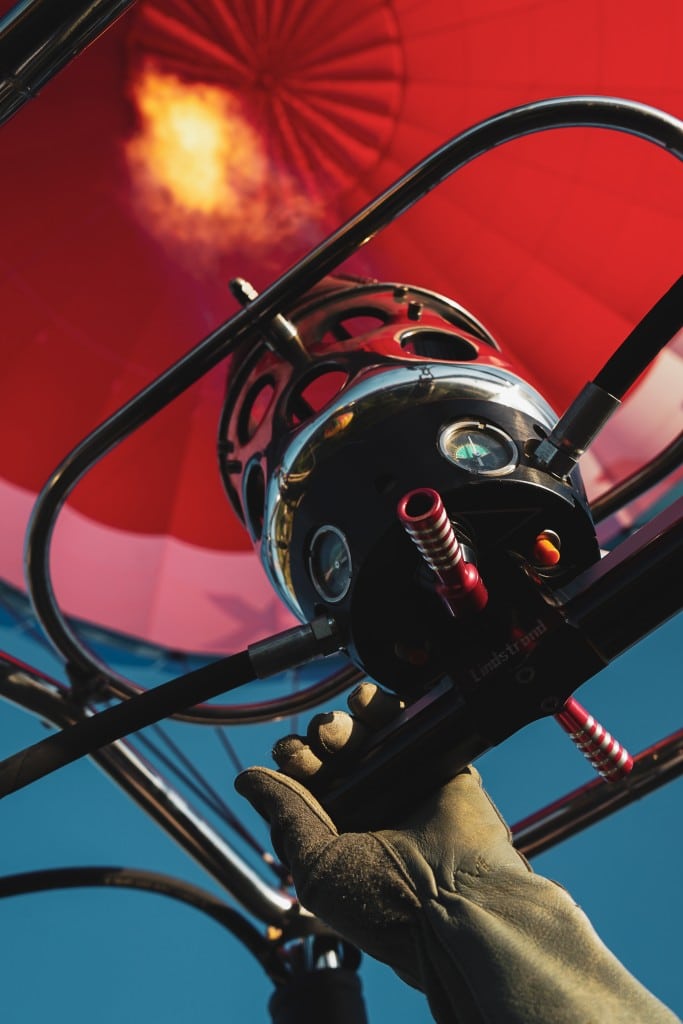
As we rise, I watch in awe as Katie works with effortless precision. She tugs on cables, checks the navigation system clipped to the basket, and keeps her hand close to the lever that feeds the propane burner. Each pull sends a loud whoosh—a hot rush of flame roaring above our heads.
Katie narrates her movements for Olivia, who hopes to one day pilot a balloon of her own. Sometimes she invites her granddaughter’s input: “Okay, we’re getting kind of close to this tree. What should we do?”
Hot air balloons don’t have engines, rudders, or steering wheels. They can’t be “steered” in the traditional sense. But as Katie explains, there is a way to guide them: by adjusting altitude to catch winds moving in different directions, pilots can subtly shape their path.
The tradeoff is in the landing.
You never know exactly where you’ll touch down.
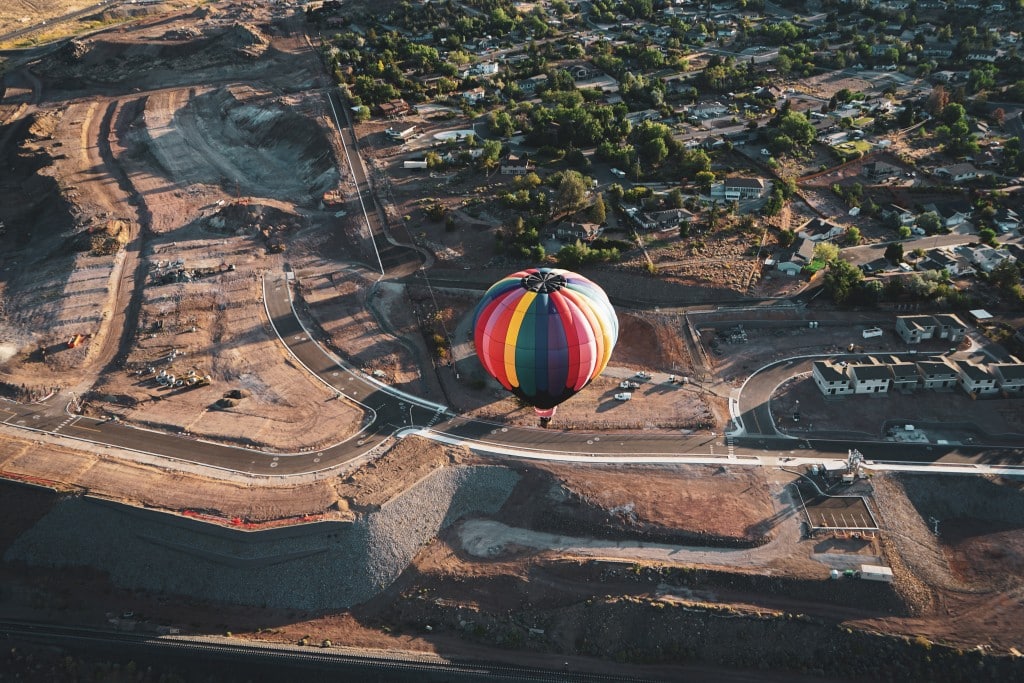
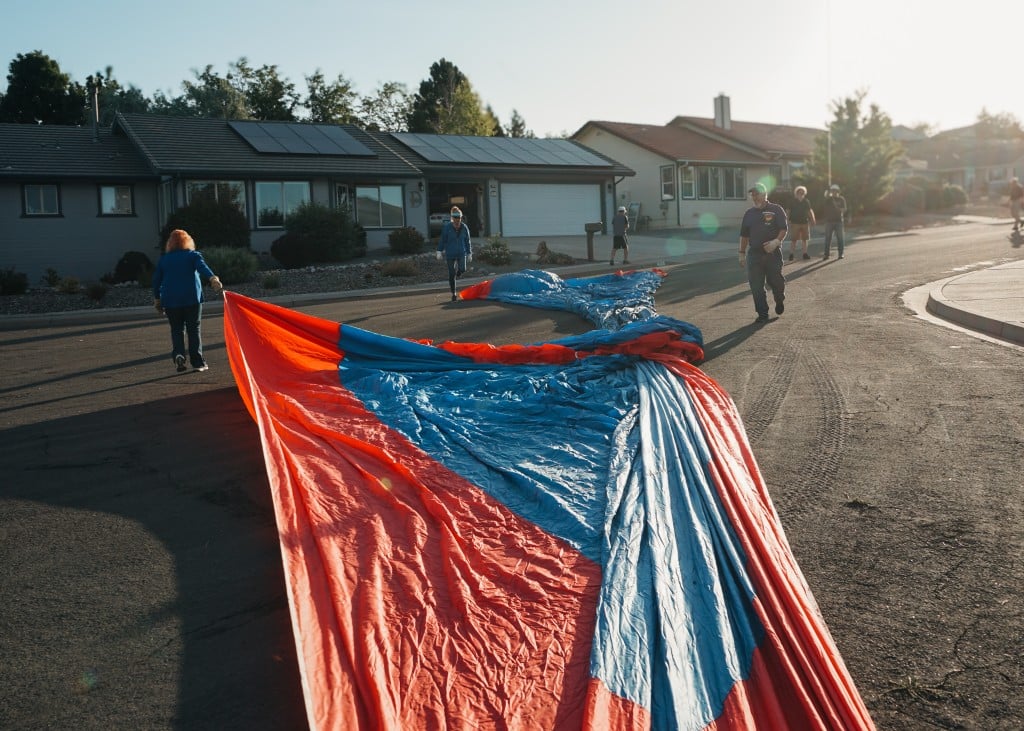
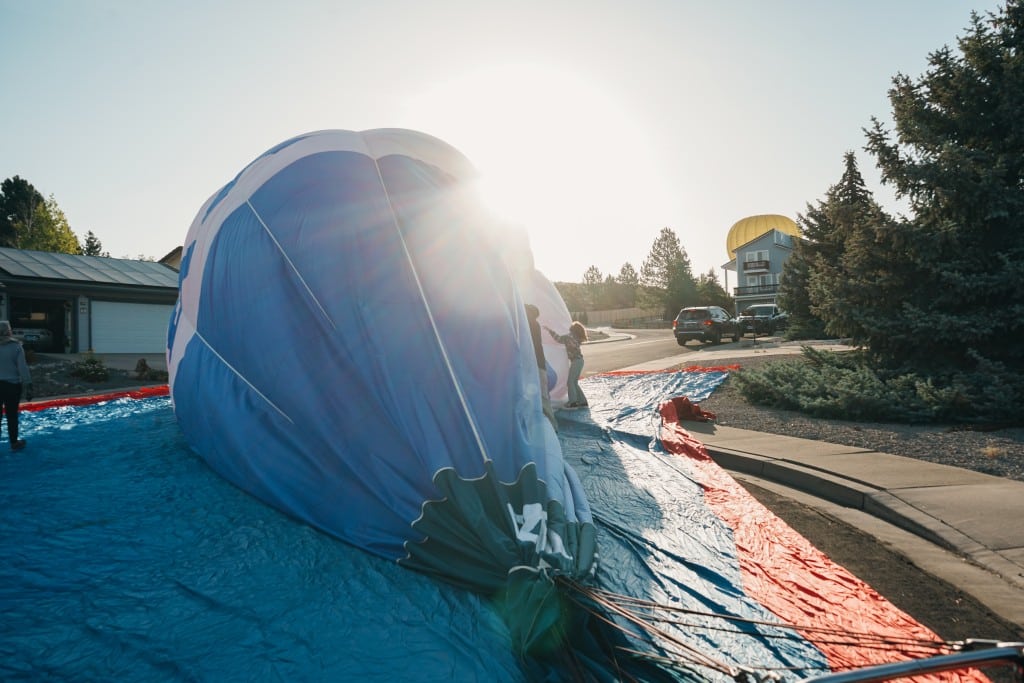
We descend toward a neighborhood north of McCarran. As the cul-de-sac comes into view, Katie’s chase crew—a pickup truck with three helpers and a trailer—rounds the corner, ready to meet us.
Her husband leads the team, positioning them to ease us safely into the street. The basket skims the pavement, bumps once, then steadies.
Gentle take-off, gentle landing.
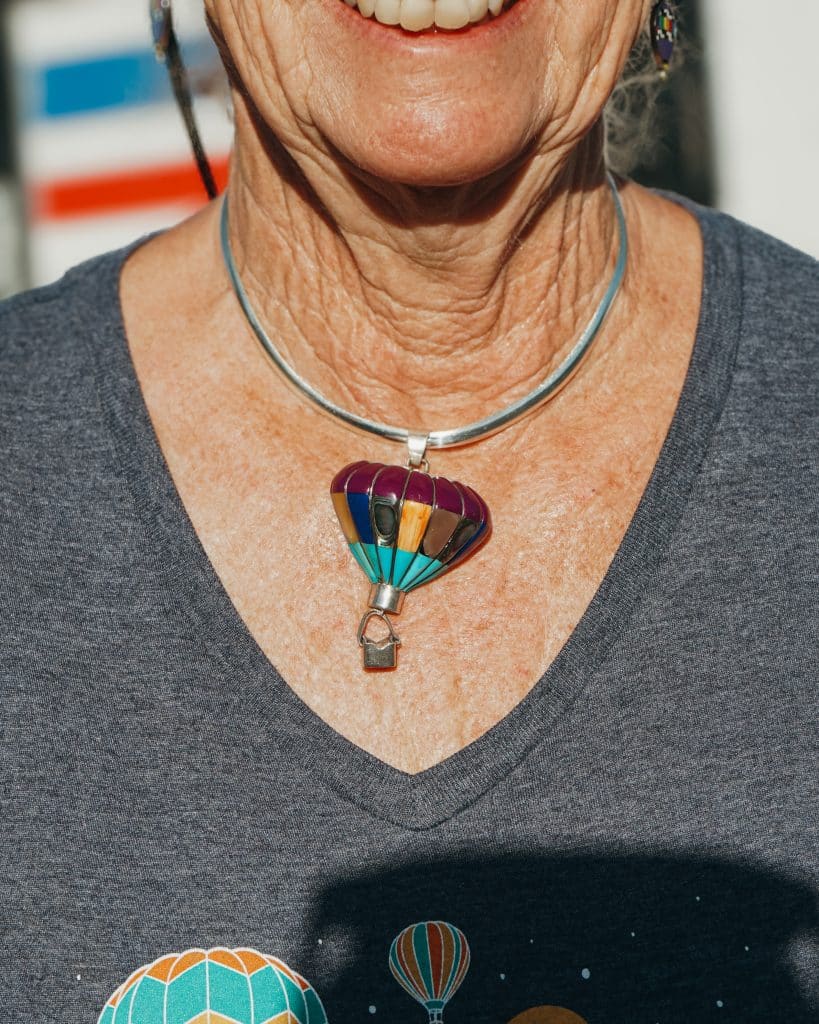
Whether you watch from the lawn at dawn or catch a glimpse from across town, the Great Reno Balloon Race is a tradition that continues to shape Reno’s skyline and spirit. This year’s event runs September 5–7 at Rancho San Rafael Park, free and open to all.
All photos were taken by Hannah Truby / Sierra Nevada Ally.
This work is made possible by Press Forward, a national coalition investing more than $500 million to strengthen local newsrooms and close longstanding gaps in journalism coverage. Donate to join the movement and support coverage on civics, climate and community in the Sierra Nevada region.
Republish our stories for free, under a Creative Commons license.
Author

Related Articles

Wild Christmas Pinyon
While you might imagine that artificial Christmas trees may be traced back only as far as the glory days of plastic in the 1950s, people actually began making fake holiday trees in the mid-nineteenth century.
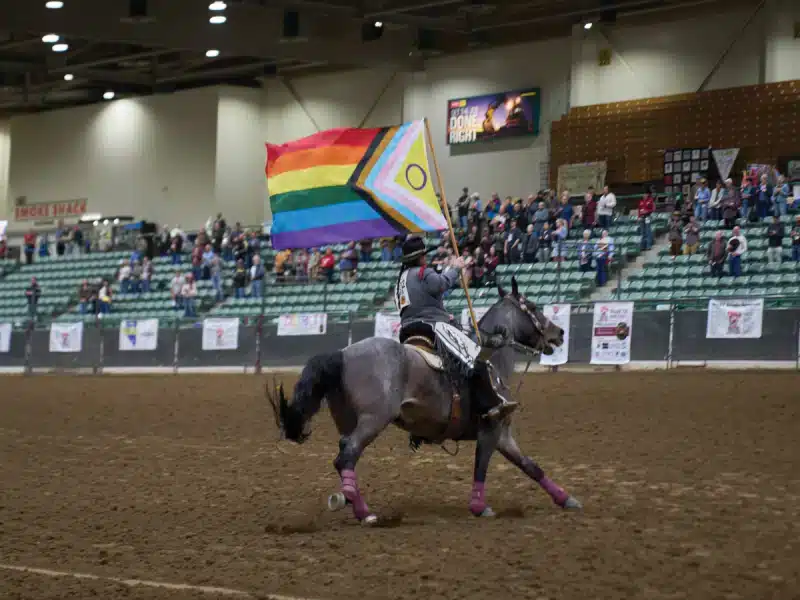
Reno’s Gay Rodeo is back
Nearly 40 years after an armed sheriff, anti-LGBTQ activists and a judge’s order shut down the Gay Rodeo Finals, this year the riders came home.
A Huge Anchor in Lake Tahoe (or Why You Should Meditate)
Reno-based retired professional, author, and meditation teacher on the simplicity of meditation and why, yes, you can do it too.