
Trail Names and Weight in the North State
A Pacific Crest Trail Journey, Part 2.
Sugar Foot, Take Five, Bad Sherpa, Mr. Clean, Resilience, All You Can Eat … and Matt?

Pacific Crest Trail hikers rarely use their real names with each other. Early on their way from Mexico to Canada, most adopt a trail name connected to a funny story or their personality. Trail names help build community and give hikers something to talk about when they meet.
I didn’t have one when I started my hike at Lassen Volcanic National Park. Because I began in July, I joined the trail halfway through its 2,650 miles. I hoped that would let me reach Canada before snow set in.

So in my first days of hiking, I felt a bit out of place every time I gave my real name to another PCT hiker. No one rushed to suggest a trail name either, as happens often early on the route. How does one choose a new identity? I thought about that for a few hundred miles.
Along the way, a bear who wandered through camp surprised me but did no harm. A skunk alarmed me more but left me no stinkier than before. On the other hand, the quarter-sized blister on my right heel proved a real problem, forcing me to hike in sandals for 50 miles while my wife Karen shipped my running shoes.
I love Lassen Volcanic National Park, where I’ve enjoyed many hikes, climbs and ski outings. So it hurt to see results of the 2021 Dixie Fire which burned about two-thirds of it. Fire occupies the minds of all PCT hikers, who know a blaze could end the journey at any time.

But I enjoyed detouring to the summit of Fairfield Peak, and then later, to Subway Cave and Burney Falls. Most other hikers stick to the trail and avoid any extra mileage, but I like taking side trips to see more scenery, and the Cascades are mostly new to me.
Hat Creek Resort provided my first bed and shower, which felt great. All the hikers congregate at such havens from trail rigors. The resort’s hosts kindly tolerate the pack of dirty vagabonds drinking beer, stuffing themselves and charging their phones. In such places, hikers also resupply with food and supplies for the next push, either at stores or from boxes they ship themselves.
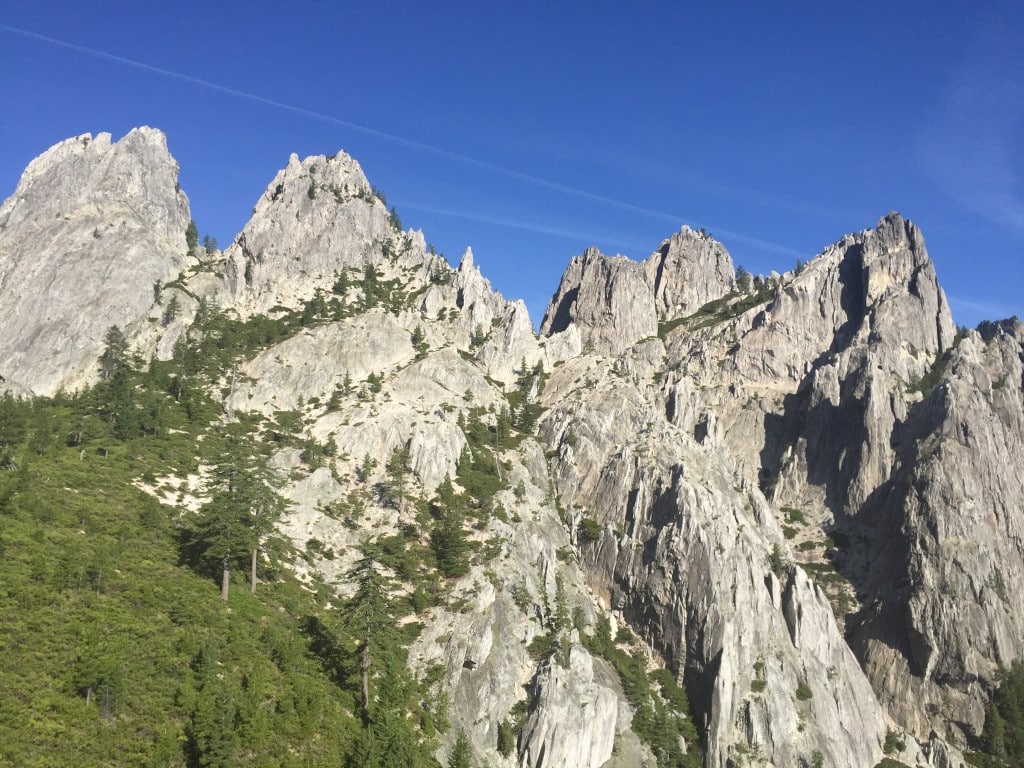
Summer heat rewards an early start, so in Lassen National Forest, I hit the trail by 5 a.m. The trail rewards long hiking days with quicker arrivals at trail towns, which allows lighter pack weight. I planned on hiking 15 miles a day but I averaged 20, and plenty of others do more than that.
Though I’ve been backpacking for decades, I found I still have more to learn. For instance, water requires more attention here than other places I’ve hiked. In the North State, the PCT often extends more than a dozen miles between sources. These days, virtually all hikers rely on the FarOut app to locate water sources, campsites and more; no longer is the backcountry a retreat from phones and technology.

I also found new ways to lighten my gear, shipping home unneeded clothes and trading in my sleeping bag and cookware for lighter replacements. That brought my base pack weight (without food or water) to 17 pounds, which isn’t bad, though many travel with even less.
I lost weight, too, and not on purpose. Hiking all day while eating little takes a toll (all the hikers out here look skinny) and I lost more than ten pounds in my first weeks. Pack weight or no, I needed to eat more on the trail. I was glad to discover Packit Gourmet backpacking fare; meals like Texas State Fair Chili and Pasta Beef Bolognese help to satisfy my considerable appetite.
After the burned trees of Lassen, I was glad to reach the healthier Shasta and Klamath national forests, even though they introduced the challenge of blowdowns. Hikers must clamber over thousands of fallen trees across the full PCT. Some of these obstacles require hard and dangerous climbing on steep slopes, and a few hikers suffer falls and minor injuries. From now on, I’ll appreciate the efforts of volunteers who toil to saw through logs and clear the trail.
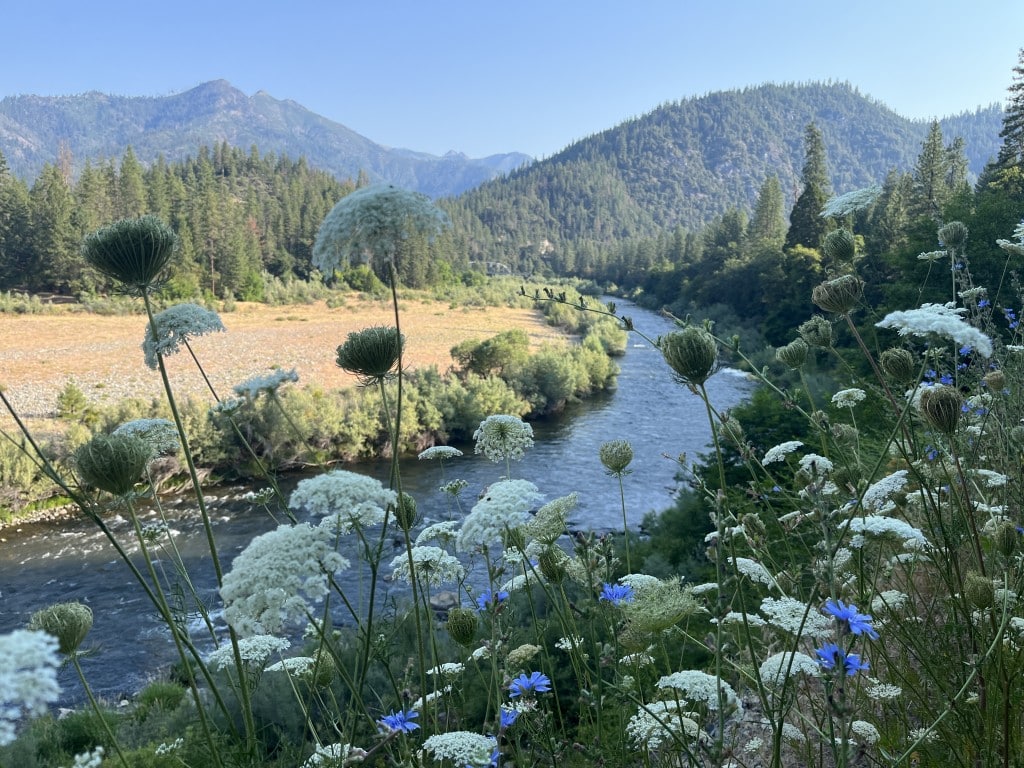
Towns like Burney, Dunsmuir and Etna gave me a chance to catch up on calories. Ravenously hungry, I stuffed myself in each of them but still lost more weight. In Seiad Valley, the Seiad Cafe offers a pancake challenge: eat a 8.7-pound plate of giant flapjacks within two hours and get the $16 meal for free. Many hikers attempt it but few succeed. I opted for a large plate of bacon and eggs instead.
Trail angels make hiking not just possible but enjoyable. My new friend Megan kindly drove me from Red Bluff to my trailhead near Lassen. Burney’s Word of Life Church opens its doors to hikers to shower, eat and even spend a night. I know an old friend in Burney; Sarah and her husband and son graciously took me in. In Callahan, I enjoyed a night at rustic Sugar Creek Ranch, which offers excellent fishing for anglers. In Etna, trail angel Molly drove me to town and even found me a cheap room and bed. Several other friendly drivers picked me up when I hitchhiked.
Majestic Mount Shasta reminded me of pleasant climbing memories as I hiked beside it. Some hikers even left the trail to climb it, though I opted instead for new and closer summits, like Buckhorn Mountain, Kings Castle and Eagle Peak in Marble Mountain Wilderness.
I enjoyed meeting other hikers like Arrowhead, Troubadour, Bahama Mama, Turtle, Drama, Shaggy and Robin Hood. But as I neared Oregon, I still had no trail name. Other hikers began to notice my affinity for side trips off the main PCT. That sounded like a fun and fitting concept.
So when I reached the register at the California-Oregon border, I signed my new moniker: Detour.
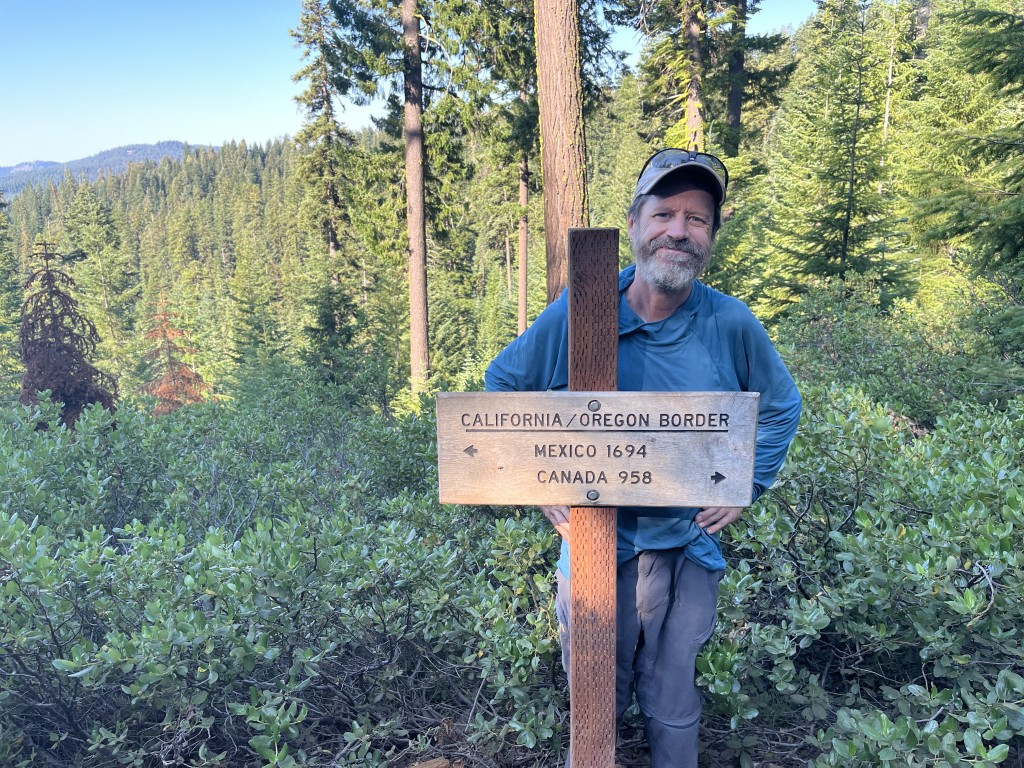
Next time: Forging through Oregon’s Forever Forests
Republish our stories for free, under a Creative Commons license.
Author
Related Articles

It Could’ve Been Me
The tragedy in the backcountry outside of Truckee is a reminder to not judge too quickly and reach out to those close to you
Winter Coat and Restoration Suit Yosemite’s Mariposa Grove
A major restoration has transformed the park’s famous grove back into a place of wonder.
Writing a guidebook pays off, really
The money isn’t much, but the experiences are rich