
Getting Sparks “Unstuck” from its Land Problem
Within just a couple years, the city may not have residential developable land left, leaving it unable to collect additional property taxes needed to provide services. Local and federal officials are working to change that.
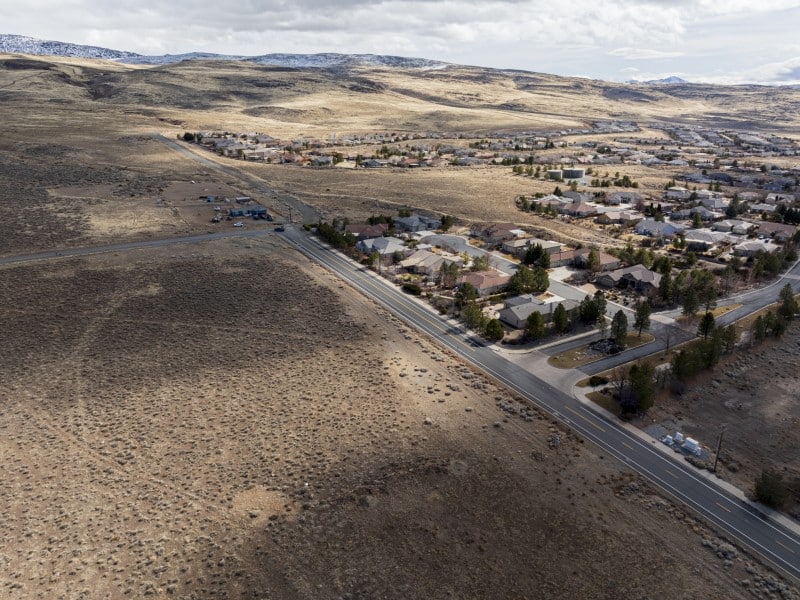
First, it was East Reno. At one point, it was New Town Tract. Then it became Harriman, after the president of Southern Pacific Railroad, whose workers built a switching yard and repair center in 1904. Harriman began offering land to employees for purchase. The fledgling community was incorporated in 1905 through the Nevada legislature. However, this time, it was named what is known today as Sparks, after former Nevada Governor, John Sparks.
While back then, Sparks was still a couple of miles from the bustling town of Reno, today, the city is continuous with Reno and spills into Spanish Springs to the north.
But this continued growth is coming to an end. The land left to develop within city limits is forecast to run dry. According to a 2021 study by the Economic Development Authority of Western Nevada (EDAWN), Northern Nevada could run out of parcels for residential development within two years.
“Northern Nevada developers, especially residential, will face challenges in finding desirable parcels to accommodate projects by 2027 if nothing is done to expand regional access to lands, or sooner if the BLM [Bureau of Land Management] fails to release lands as needed,” the report stated.
Sparks is bound on most sides by land that is either privately-owned or administered by the BLM. It may not seem like a major concern, but it does present challenges for the city–and its residents–moving forward.
Like many cities, Sparks relies on income generated from property taxes to pay for parks, police, fire protection, and other city services. However, Nevada’s property tax structure is as old as the state, putting Sparks’s future in dire straits.
“Our property tax system in Nevada is probably the most regressive one in America,” said Sparks Mayor Ed Lawson.
Here’s how it works. When a new property is built, taxes are levied on 35% of the property’s assessed value. Every year, that assessed value is reduced by 1.5%, meaning in about 23 years after construction, the property tax could be less than 2%. As assessed value rises, the city can raise property tax, but is limited by state law that dictates it can only be raised by 3% annually.
“It doesn’t keep up with inflation,” Lawson said.
Complicating this tax structure, the city of Sparks is running low on developable land, effectively capping the property tax revenue and straining future city budgets.
“We have about 3,000 lots left to develop,” said Lawson. “We consume those at about 600 lots a year.”
Without a plan, Lawson said the city could run out of land to develop and generate property tax revenue by the end of the decade. And that’s significant, because 34% of Sparks annual budget revenues come from property taxes.

Lawson acknowledges that new construction can go vertical, increasing the number of units that can be taxed. However, he says it’s often seen as too expensive for developers, and he doesn’t see it as a viable solution to the problem. Lawson has been on the Sparks City Council since 2010 and mayor since 2022. This is an issue he’s seen coming, and he and his team have been working on a solution now for six years.
Housing isn’t just important to the community to spur revenue for services; it also helps with overall affordability. Lawson and other stakeholders see the need to bring in more affordable housing into the region to accommodate the anticipated growth, and he seeks to expand city limits east towards the Tahoe-Reno Industrial Center, which could bring new housing projects with an affordability component.
However, much of the land along the Interstate-80 corridor is public, managed by the federal government. So, for this plan to happen, Congress would need to pass legislation to allow for a transfer of land ownership status. U.S. Senator Jackie Rosen joined Lawson’s plight two years ago with the promise of sponsoring a bill in Congress.
“As Nevadans continue to deal with high housing costs, I’m working to increase the amount of federal land available for housing development to bring down home prices and support sustainable growth for Washoe County,” Rosen said in a recent press release.
“Without new federal legislation, Washoe County is stuck,” Rosen said last year on the Sentate floor. “It can’t grow, it can’t accommodate its increasing population, and it can’t protect the spaces that people recreate or come to visit in our beautiful state.”
Room to Grow
Sen. Rosen last month reintroduced the Truckee Meadows Public Lands Management Act in Congress. This bill, similar to one introduced but never passed in Congress last year, proposes to promote sustainable growth and economic development by directing more than 20,000 acres to be made eligible for sale. The land will first be assessed for the viability of establishing affordable housing.
“She understands Nevada, she gets it, so she took up the bill. Her staff have done a lot of work getting everybody to the table,” said Lawson. “Just having the land to develop makes all the difference in the world for us, we’ll annex these properties into the city of Sparks.”

The land transfer process identifies parcels of land that the BLM no longer needs to manage and will place them up for auction. This arduous task of identifying land involved many community members and is partly why the work of both Lawson and Rosen has taken several years.
Just shy of 4,000 acres of this will be conveyed to local governments, including the city of Sparks. This land will be specifically set aside for development of recreational and public use projects. The proceeds from these sales are put into the treasury account and used for future park, recreation, and sustainable development.
“So 5% of the proceeds go to the state education fund, 10% goes to the county for conducting the auction to offset their expenses for that. And then we have another 10% designated for the Truckee River to improve the paths and river quality and all the things that kind of go along with the Truckee River,” said Lawson.
The remaining acreage will be annexed into either Reno, Sparks, or Washoe County. Sparks will receive the majority of this land, about 9,500 acres, which can then be sold off to generate new tax revenue.
“The county auctions it, and then the buyer buys it, and then we have annexing,” said Lawson. “It gets really complicated, but the bottom line is, we will claim that land as part of Sparks.”
After the transfer, auction, and annexing process, the land can be developed and the city of Sparks will see an increase in its property tax revenue stream. Lawson forecasts the acreage sold will generate enough revenue to keep the city funded for another few decades–even with the same tax structure in place. And, he’s not convinced the state’s tax structure will change anytime soon.
“I don’t think it’ll happen until Las Vegas feels the pain that we feel,” said Lawson.
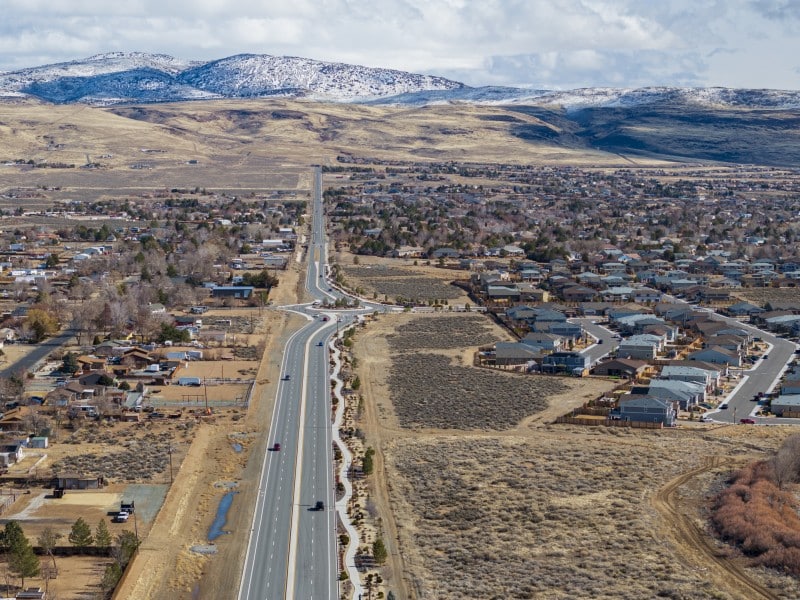
With the growing lithium loop development in Storey County, Lawson said he expects upwards of 50,000 jobs in the region, with most of those occurring at the Tahoe-Reno Industrial Center (TRIC) east of Sparks. Lawson is also working on developing an additional travel corridor to the TRIC that would help ease the congestion currently experienced on Interstate 80.
“Infrastructure and housing is a huge part of what I’m calling our new Comstock Lode,” said Lawson.
More people means more tax money needed for public services.
This work is made possible by Press Forward, a national coalition investing more than $500 million to strengthen local newsrooms and close longstanding gaps in journalism coverage. Donate to join the movement and support coverage on civics, climate and community in the Sierra Nevada region.
Republish our stories for free, under a Creative Commons license.
Author

Related Articles
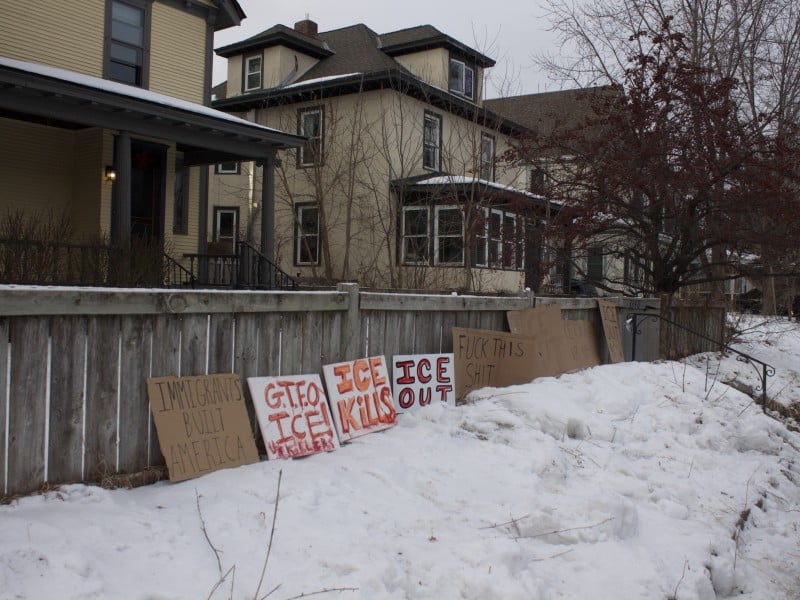
As ICE agents flood Minnesota, local reporters say national news misses the mark
Recent New York Times reporting on a Minnesota scandal may have cast unwelcome attention to the state’s Somali community, but it isn’t the first time national journalists haven’t captured the full scope of Minnesota’s local stories.
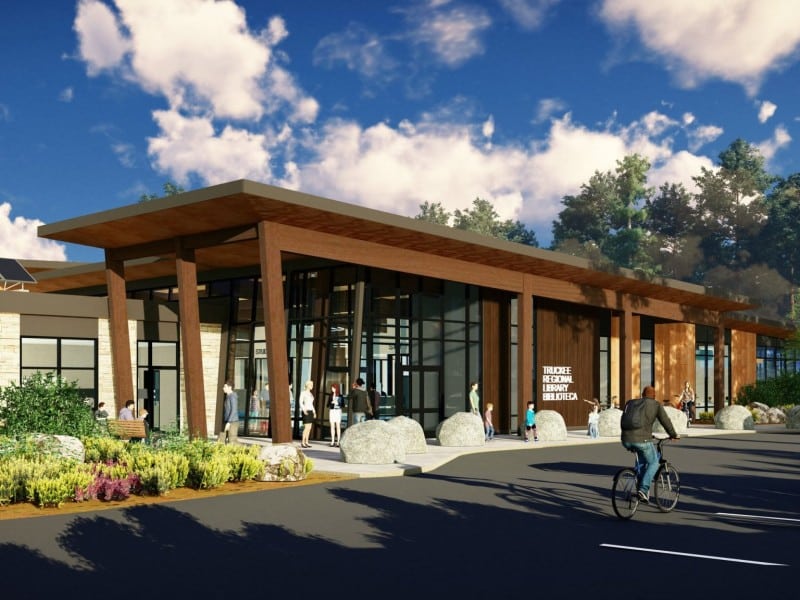
Public Space and Civic Identity in the Mountains: Truckee Debates Its New Library
Despite overwhelming public support, a funding measure for a new library has led to contentious arguments around its financing and place in the community.
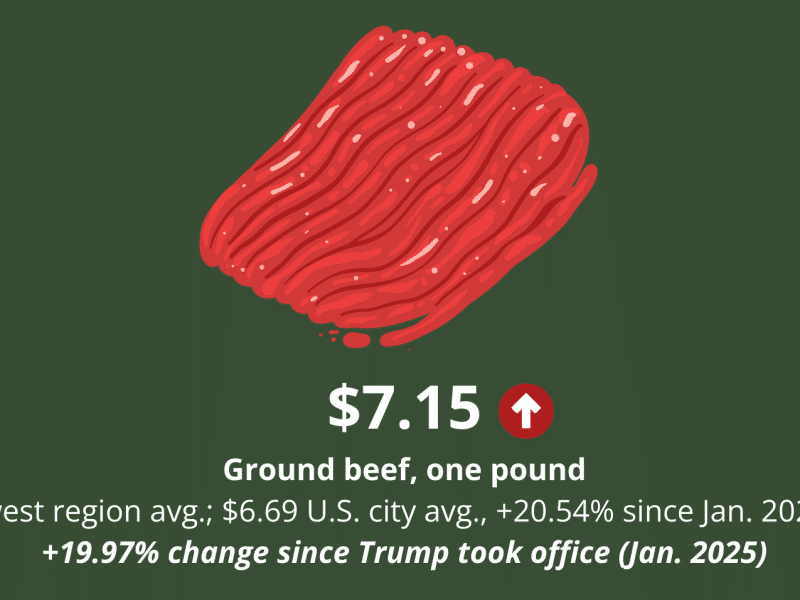
Tracking Food and Gas Prices in the Trump Era (Updated for December)
President Donald Trump campaigned on the promise of lowering grocery prices for everyday Americans. We’re tracking how that’s going.