
Trump’s recent water releases didn’t help fight wildfires. It’s hurting farmers.
Trump ordered water to be delivered to high-need communities in the wake of wildfires in Los Angeles. But the action could ultimately leave regional farmers with less water to produce the nation’s food supply.
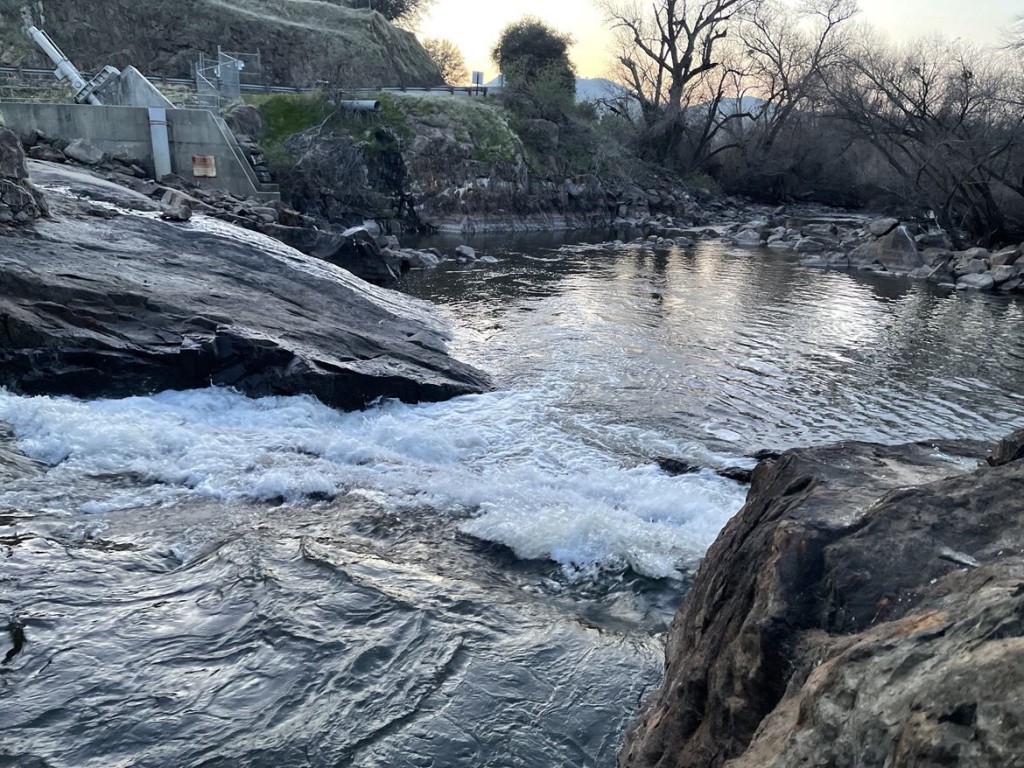
On the morning of January 31, the U.S. Army Corps of Engineers drastically increased the amount of water flowing from Terminus Dam at Lake Kaweah and Schafer Dam at Lake Success. Both of these dams are located in Tulare County, a majority-Hispanic agricultural county southeast of Fresno, Calif.
These dam releases came as a result of President Trump’s executive order issued as the Los Angeles wildfires were almost completely contained. The order directed federal agencies to “maximize water delivery to high-need communities” in California. Unfortunately, the water released from these two dams was not delivered to high-need communities, and did not reach anywhere near Los Angeles.
What Exactly Happened on January 31?
That morning, the flow from Terminus Dam at Lake Kaweah into the Kaweah River increased from 50 cubic feet per second at 4 a.m. to 1,500 cubic feet per second by 6 a.m. Similarly, the flow from the Schafer Dam at Lake Success into the Tule River increased tenfold in just one hour, going from 100 cubic feet per second at 5 a.m. to 1,000 cubic feet per second at 6 a.m.
Terminus and Schafer dams provide flood control to the Tulare Lake Basin in the San Joaquin Valley, as well as water storage for later in the summer when farmers need it for irrigation.
“We want to make sure that we can control any kind of big storms that come through, that we have space and reservoirs to store that flood water to keep it from flooding downstream communities, really just to keep people safe,” said Karrigan Börk, Professor of Law and co-director of the California Environmental Law and Policy Center at UC Davis. “The Army Corps of Engineers manages the dams for that, and they have pretty strict guidelines about how they’re supposed to do that.”
This large-scale flow of water happened one week after President Trump’s executive order, and the actions taken by the Army Corps came as a surprise to local water managers. Former general manager of the Lower Tule River Irrigation District, Dan Vink, told the L.A. Times that local water officials heard about the plan to “go from a fairly nominal release to channel capacity in two hours” the afternoon before it happened.
These sort of water releases typically involve a lot of planning, as water is a critical resource to farmers in the West.
“We want to store water for summer. We have these long dry summers and farmers need water during those summers for their crops,” said Börk. “So we want to maximize the amount of water that we store, but also make sure we have enough space to capture flood flows, to reduce the impacts on communities downstream.”
Why these Water Releases were Problematic
Neither Lake Kaweah nor Lake Success provide water to rivers with salmon or endangered species in them, which allowed the Army Corps to avoid any potential litigation based on the Endangered Species Act. However, it’s clear since the release of this water that the actions also didn’t benefit anyone in California.
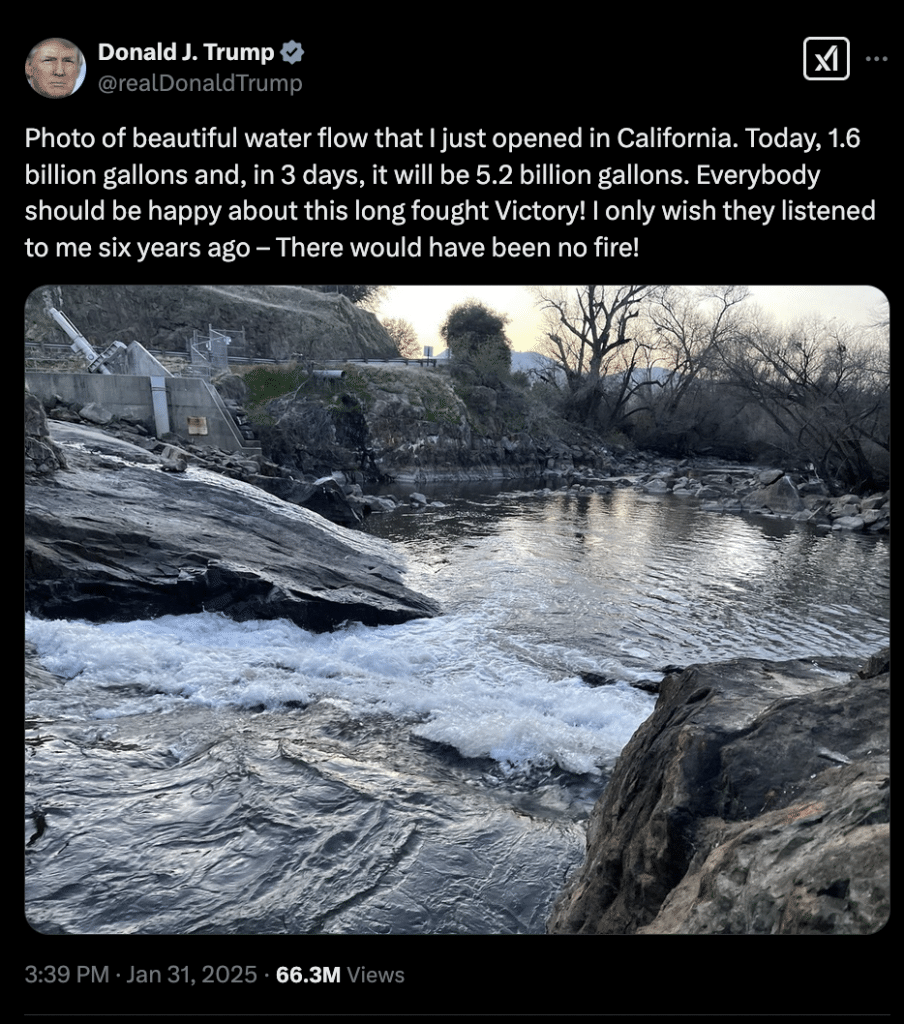
President Trump posted a photo to Twitter/X on the day of the release proclaiming a victory in the fight against the vicious wildfires in Southern California.
“President Trump has claimed that it’s for firefighting, that it’s to protect L.A., but there’s actually no link between these basins and the L.A. area,” said Börk. “There’s no way to get this water from where it flowed or from where it was coming from, down to L.A.”
Water released from these systems not only aren’t making it down to Los Angeles, but that water also isn’t being stored in some kind of “water bank” to be used for other state needs.
“One thing to remember about these particular dam releases is they don’t actually go into the state’s water infrastructure at all,” said Regina Chichizola, Executive Director for Save California Salmon. “They go into the Tulare Lake region, which is already very flood prone. And because of the fact that they released it in the winter when the water wasn’t needed, and when there were storms happening, there was a real worry with the farming community that their fields could have been flooded.”
Fortunately, this didn’t happen, but that doesn’t mean this was a harmless act.
“The farming community was concerned that there were no benefits from the releases and now they have less of a water supply to rely on come summertime in the dry season,” Chichizola said.
We reached out to the Army Corps of Engineers and were denied an interview, but received the following statement:
“Consistent with the direction in the Executive Order on Emergency Measures to Provide Water Resources in California, the U.S. Army Corps of Engineers increased water releases from Terminus and Schafer dams starting January 30 and returned to prior outflows on February 2. USACE continues to monitor conditions in California and the need for further releases as conditions warrant.”
How this Could Impact California’s Water Supply Throughout the Year
Because of this massive water release, into a basin where the water was not needed at this time of year, there is now worry that it could actually create a water shortage in the basin later in the summer, when more water is typically needed.
“No one’s using this water right now. The farmers don’t need the water. So we end up just wasting a bunch of this water that is going to ultimately probably flow to the Tulare Lake Basin and evaporate,” Börk said.
At a time when temperatures are reaching their highest points on record in the U.S., this is especially concerning for an area that provides a quarter of the nation’s food.
“It doesn’t do anybody any good [to] release this time of year,” Börk said. “It shorts the farmers in terms of what they can get during the summer.”
Republish our stories for free, under a Creative Commons license.
Author

Related Articles
Hard Work, Low Pay, High Risk: Who Wants a Job in Forestry?
How local efforts are helping to better opportunities in forestry for people and the profession.
Ally Audio: Where’s the Mountain Snow We All Love?
Check out the latest edition of Sierra Nevada Ally’s podcast
When Winter Comes as Rain in the Sierra Nevada
A warm, wet start to the season is reshaping snowpack — and what it means for local businesses in Truckee and beyond.