
How the Sierra Nevada is changing names to honor the more honorable
When it comes to renaming geographic features away from racist figures, it’s time to bring on the map makeover
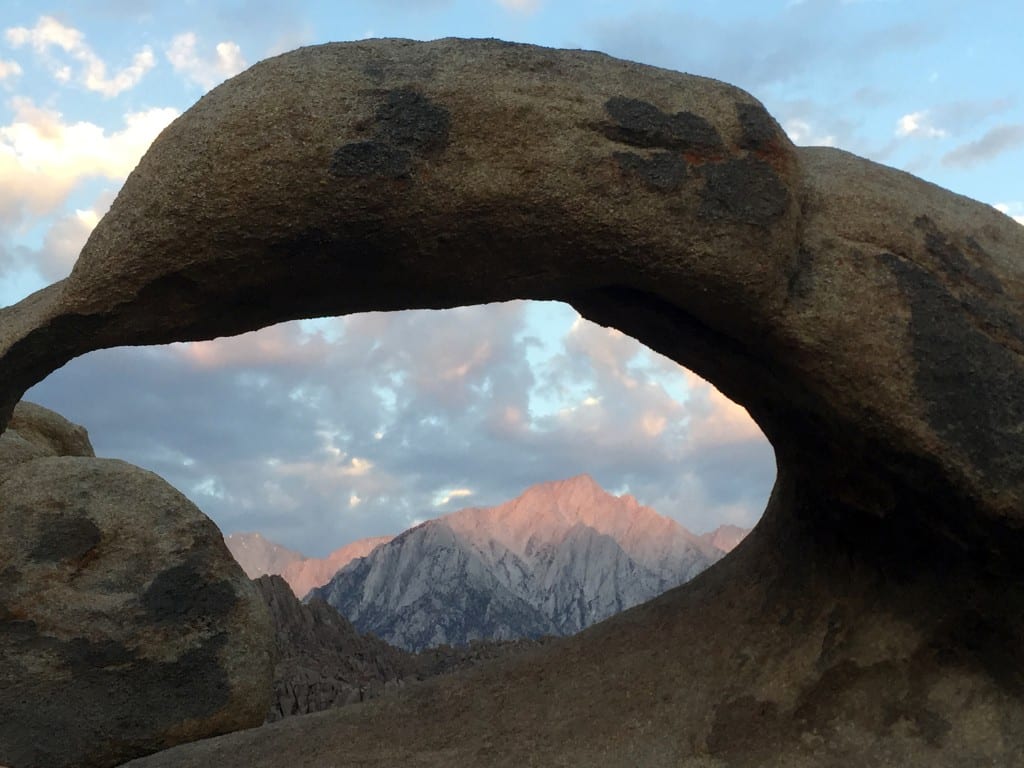
More than a century before Mount Whitney began welcoming thousands of climbers every year, a group of Buffalo Soldiers reached the summit in 1903. These first African Americans to climb the mountain also built its first summit trail. Enthralled by the grand scenery, Captain Charles Young committed to “preserving these mountains just as they are.”

Under Young’s command, Buffalo Soldiers protected Sequoia National Park’s big trees, guarded against poachers and prevented illegal grazing. Sadly, the nation all but forgot these heroes for a century – yet the same park honored Confederate General Robert Lee, naming a giant sequoia for a traitor who fought to keep such men in slavery.
This is no isolated problem. A Sierra Nevada map reads like a badly-flawed history book, full of places named for 19th Century white men, to the exclusion of nearly everyone else. Lee isn’t the only white supremacist to win a geographic honor. Women and people of color are rare, women of color especially so. Indigenous names are nearly forgotten.
But a revived national civil rights movement has promoted a welcome map makeover in recent years, which accelerated after the Minneapolis police killing of George Floyd in 2020. Scores of geographic names have changed across the country, including some within the Sierra Nevada mountains.
- Jeff Davis Peak near Lake Tahoe, which honored the Confederates’ president, officially became Da-ek Dow Go-et Mountain, as the Washoe Tribe proposed.
- China Peak Mountain Resort, which was called Sierra Summit for nearly 40 years, restored its original name which reflects its location, Chinese Peak. The mountain is named for Chinese-American cowboy and shepherd Yung Lee.
- Squaw Valley has changed its name to Palisades Tahoe after the ski resort acknowledged the racism and sexism of the word “Squaw.”
- Some 660 geographic features on federal land containing the word “squaw” changed at the direction of U.S. Interior Secretary Deb Haaland, with 80 of the renamed locations in California and 34 are in Nevada. For example, Hungalelti Ridge in Mokelumne Wilderness changed at the Washoe Tribe’s suggestion.
- Yosemite renamed Yosemite Conservation Heritage Center, removing the name of Joseph LeConte, an enslaver and Confederate.
- Just east of Yosemite, state officials dedicated a portion of Highway 120 as Chiura Obata Great Nature Memorial Highway, in honor of the Japanese-American artist who created breathtaking artwork of the region.
- California State Parks renamed Black Miners Bar in Folsom Lake State Recreation Area (formerly called Negro Bar), where African American miners prospected for gold in 1850.
- The name of Portuguese Joe Campground in Lone Pine changed after critics said the former name contained an anti-Portuguese slur.
- In addition, proponents suggested a new name for Alabama Hills National Recreation Area, named by Confederate sympathizers for a Rebel warship. The Bureau of Land Management is considering the suggestion.

Outdoors enthusiasts should welcome these changes. We who often enjoy public lands know that the outdoor-loving public is much less diverse than our overall population. People of color visit national parks in lower numbers than their white counterparts. African Americans tally just 1% of Yosemite visitors, for example. Taking steps to make more people feel welcome hurts no one. It’s simply the right thing to do.
However, the process raises some tricky questions. Traitors and enslavers get no defense from me, but what about John Muir? The Sierra Club recently renounced its founder for his racist writings disparaging Blacks and Native Americans. Yet the revered conservationist helped launch the environmental movement and the National Park Service itself. Should we retitle every trail, park, mountain and the many schools named for him?
Clearly the map needs more diversity, but what about the likes of James Beckwourth? A Sierra Nevada pass and mountain honor the biracial American from Virginia who survived slavery and moved west. Yet, he brags in his autobiography about killing Indians and striking his wife with an axe.
In a world of flawed people, where do we draw the line?
I can’t answer that, but I’m certain we have far to go before going too far. So, I’m glad to see well-intentioned people trying to promote sensitivity, diversity and inclusion in the outdoors.
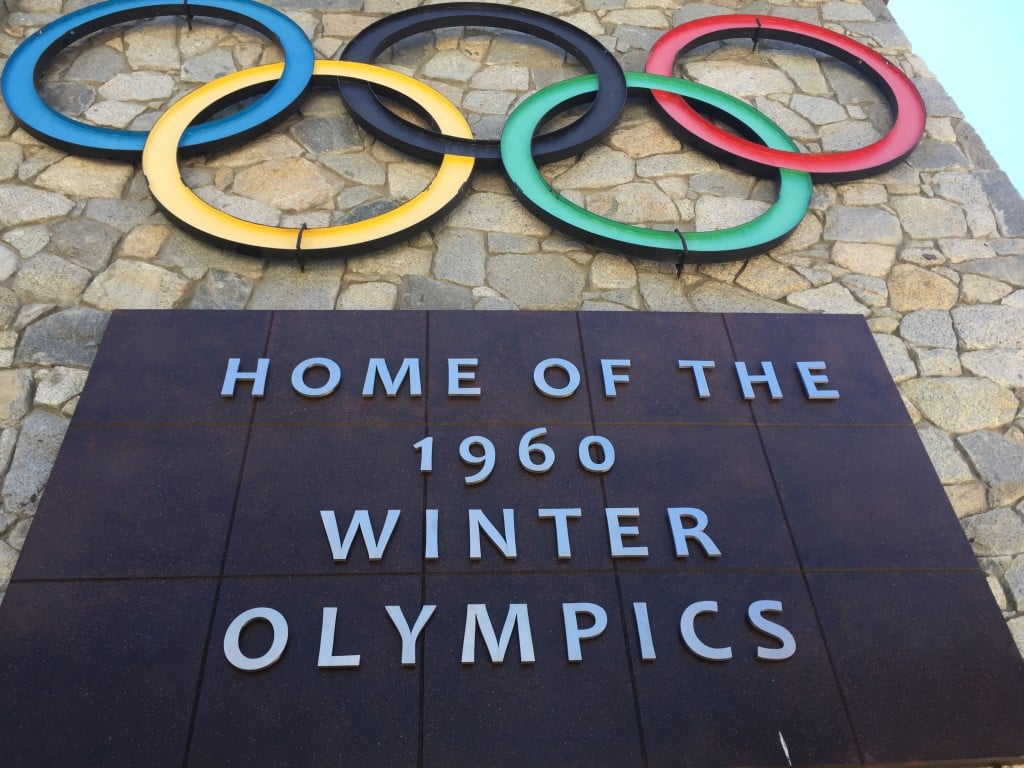
Charles Young would be happy too, I suspect. The first African American national park superintendent, Young wrote of a future in which “overworked and weary citizens of the country can find rest” in the outdoors. He and his Buffalo Soldiers helped make that vision a reality.
A century later, Sequoia National Park named one of its magnificent trees for him. Colonel Charles Young Memorial Highway followed. Later, the National Park Service removed references to slave-owning Robert Lee from trees in the mountains Young protected.
To that, this descendant of Civil War soldiers says, “Huzzah!”
Republish our stories for free, under a Creative Commons license.
Author
Comments (1)
Comments are closed.
Related Articles

Wild Christmas Pinyon
While you might imagine that artificial Christmas trees may be traced back only as far as the glory days of plastic in the 1950s, people actually began making fake holiday trees in the mid-nineteenth century.
Freebirds
A Thanksgiving lesson in forgiveness
Can an Opponent of Public Lands Safeguard Them for Us?
If Bureau of Land Management Director Nominee Steve Pearce gets the job, it would be like a fox guarding the hen house
Matt Johanson needs to pack his OVERSENSITIVITY in his backpack and go climb a high mountain and stay there. Erasing history will only re-create it by the by the ignorance it promotes!